Buying a Used Excavator in China? 10 Years of Experience: Essential On-Site Inspection Methods You Must Know
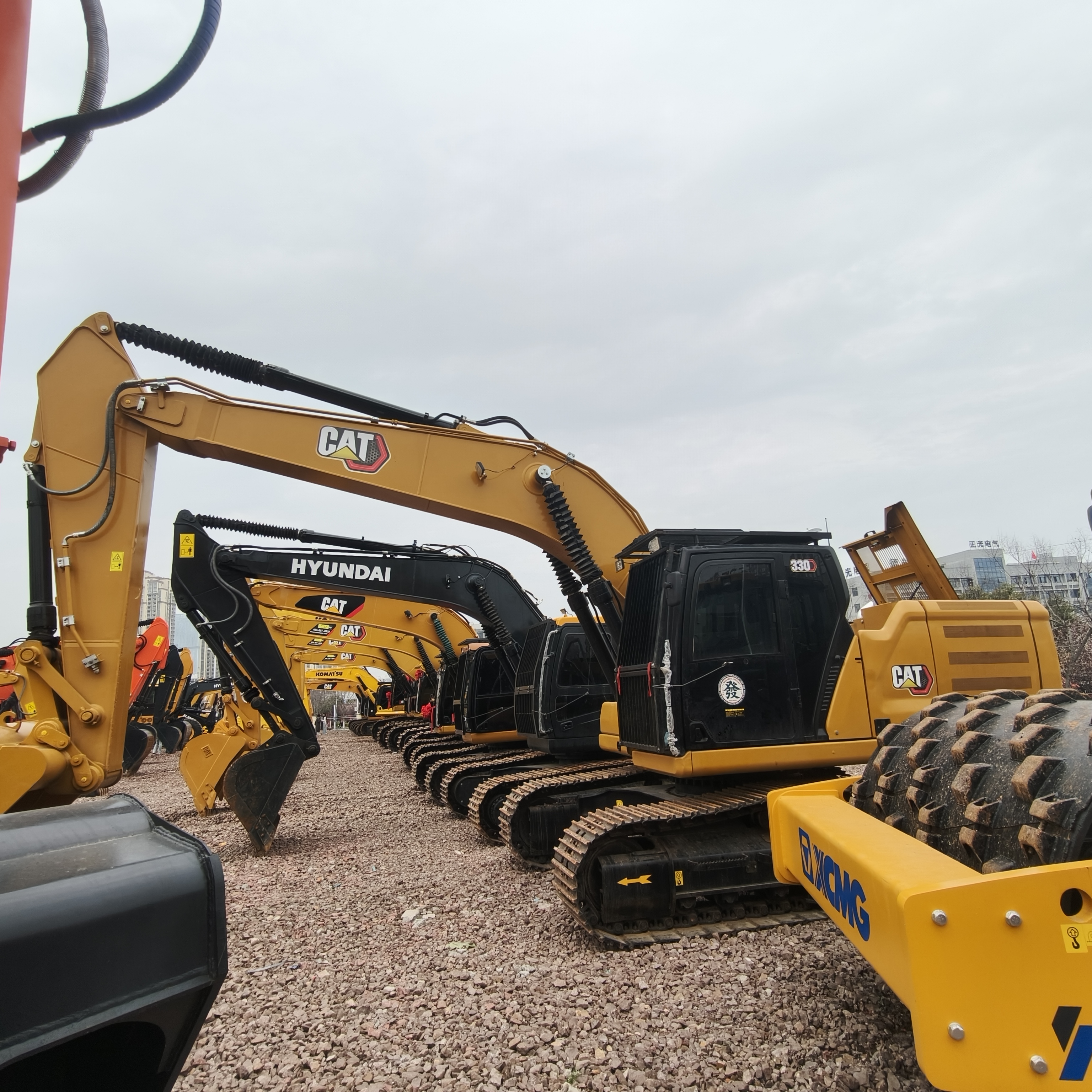
If you want to buy a used excavator in China but don’t know how to inspect it on-site, don’t worry — you’re not alone. Over the past decade, we have helped buyers from Africa, the Middle East, South America, and Southeast Asia gain confidence in China’s machinery market. Many people don’t know what to check at first, so I have summarized my ten years of experience dealing with used excavators into a set of practical, straightforward inspection methods. Below, I will teach you step by step how to spot hidden problems, avoid pitfalls, and buy with confidence — even if you have never inspected a used excavator before.
Engine Inspection Steps
Step 1, check the condition of the engine. Start the engine and observe the exhaust pipe for black smoke. If there is black smoke, the fuel injection pump and injectors need to be inspected!
White or blue smoke indicates internal wear in the engine, meaning it has certain faults and requires repair.
Hydraulic System Inspection Procedure
Step 2: Test the overall hydraulic performance of the machine. First, perform a full-machine support test at idle speed. Idle speed means the excavator is running at the first throttle level. Place the bucket flat on the ground, extend the arm fully, and push down with the boom. If the entire machine can be lifted easily, the hydraulic pressure of the excavator is sufficient. If it cannot be lifted up, ask a technician to check whether the hydraulic pump pressure is normal.
Next, test the power of the excavator’s travel function. Again, set the throttle to the first level, and test each track individually by moving it forward or backward. Perform the same operation on both sides. If both tracks can move smoothly, and even perform cross travel without issues, the machine’s travel system is in good condition. On the contrary, if one track moves slowly, struggles, or even stalls the engine, ask a professional technician to inspect the travel motor or the center joint seal.
Combined Engine & Hydraulic System Test
Step 3: Check for engine lag or stalling. First fully open the bucket, then fully retract the arm, and perform both actions at the same time. If the engine does not produce black smoke and does not stall, the engine is in good condition. If black smoke appears or the engine stalls, it indicates insufficient engine power or a hydraulic problem that requires repair.
Chassis and Swing Inspection
Step 4: Check the swing bearing clearance. Vertical clearance is very important. Have an excavator operator lower the boom and check if there is excessive vertical play in the swing bearing. If the vertical clearance is too large, it means the swing bearing needs to be replaced or repaired. Then check for horizontal clearance, and make sure the swing brake is working properly.
Combined Motion Test for Hydraulic System
Step 5: Test the machine’s combined operations, speed and power. Set the throttle to the 8th level and perform quick combined movements: operate the boom, arm, bucket, swing and travel at the same time. If the flow combination is smooth with no lag or sticking, the excavator’s overall hydraulic system is in perfect condition. If the flow combination is poor and the combined movements are not working properly, it means the excavator has hydraulic performance problems. We recommend you do not buy this machine and choose another one instead.
Check the excavator's exhaust system
Final Step: After warming up the excavator, check the exhaust gas from the upper exhaust pipe. Be sure to perform this check only when the engine is fully warm. If there is no excessive exhaust gas from the upper pipe, then check the lower exhaust pipe. If there is no excessive exhaust from both the upper and lower pipes, the internal condition of the engine is good. If there is noticeable exhaust blow-by, ask a professional engine technician to inspect and repair it.
Conclusion
Buying a used excavator should never be based only on its appearance. The engine, hydraulic system, and chassis are the three core components that determine the machine’s performance, service life, and investment value — none of them can be overlooked.
Carefully inspecting the engine condition and troubleshooting potential problems ensures stable power.Thoroughly checking the smoothness of hydraulic movements and any leaks is key to reliable working efficiency. Comprehensively inspecting the chassis for wear, welding repairs, and rust directly affects safety and future maintenance costs.
For overseas buyers from Africa, the Middle East, South America, and Southeast Asia purchasing used excavators in China, following this complete on-site inspection checklist and verifying every item in person will help you avoid refurbished machines, accident-damaged units, faulty equipment, and common purchasing scams.
By focusing on these three core inspection areas, you can accurately select high-quality, cost-effective used excavators, enjoy a safe and worry-free international purchasing experience, and put your machine to work smoothly on job sites back home to create long-term, stable profits.
Frequently Asked Questions
How to Find a Reliable Seller in China?
This is the biggest concern for most buyers. With thousands of suppliers online, it can be difficult to tell which ones are trustworthy and which ones carry risks.
We recommend choosing suppliers on FairTradeMachinery — the largest online trading platform for used excavators in China. It brings together the widest range of used excavator suppliers across China. The platform provides comprehensive pre-sales, in-sales and after-sales support for international buyers purchasing excavators in China, ensuring that global buyers from Africa, the Middle East, South America, Southeast Asia and other regions can purchase reliable, quality machinery!
How to Tell If a Machine Is Original or Refurbished?
This is a major concern for every buyer, and for good reason. Some sellers in China pass off heavily repaired or overhauled excavators as “original” or “lightly used” machines.
Consider hiring a third-party inspection service. If you cannot inspect the machine in person, hiring an independent inspection company in China such as FairTradeMachinery can save you a great deal of unnecessary expense. Professional inspectors will check the engine condition, the integrity of the hydraulic system, and structural wear, and will clearly tell you whether the machine is worth buying.
What if the used excavator is found to have defects during inspection?
If engine or hydraulic pump faults are discovered during the inspection, we do not recommend foreign buyers to purchase this machine. Instead, you may ask the supplier to provide another used excavator in better condition for re-inspection.
Can excavators be modified or upgraded?
Absolutely in China's used excavator market. You can ask your supplier for modifications and additional configurations. After the work is finished, you can inspect it again to avoid mistakes or incomplete installation!
Are excavator parts easy to find? What if it breaks down?
Excavator parts in China are very complete and easily available as long as logistics are running smoothly.
If the excavator will be used in an area with limited parts supply, we recommend that buyers purchase common wear parts along with the machine after confirming the order. This will save you a lot of trouble!
FairTradeMachinery
You Design the Vision. We Handle the Hard Parts.
Helping Global Buyers Access Better-Value Machinery and After-Sales Solutions.
As China's Leading Global Used Machinery Exchange Platform, we sits at the intersection of IoT technology and B2B commerce. That means real-time inventory data, verified seller profiles, and a transaction process designed for cross-border buyers who can't always inspect machines in person. Our users in China have exceeded 1.5 millions meaning we have the first source of excavator owners and the equivalent number of machines. This means we can cover all the popular models and even specific needs, no matter of the status.






 Live Chat On Whatsapp Now

 FAQs
FAQs WhatsApp