How to Inspect a Used Excavator Before Buying: 7 Key Areas to Check
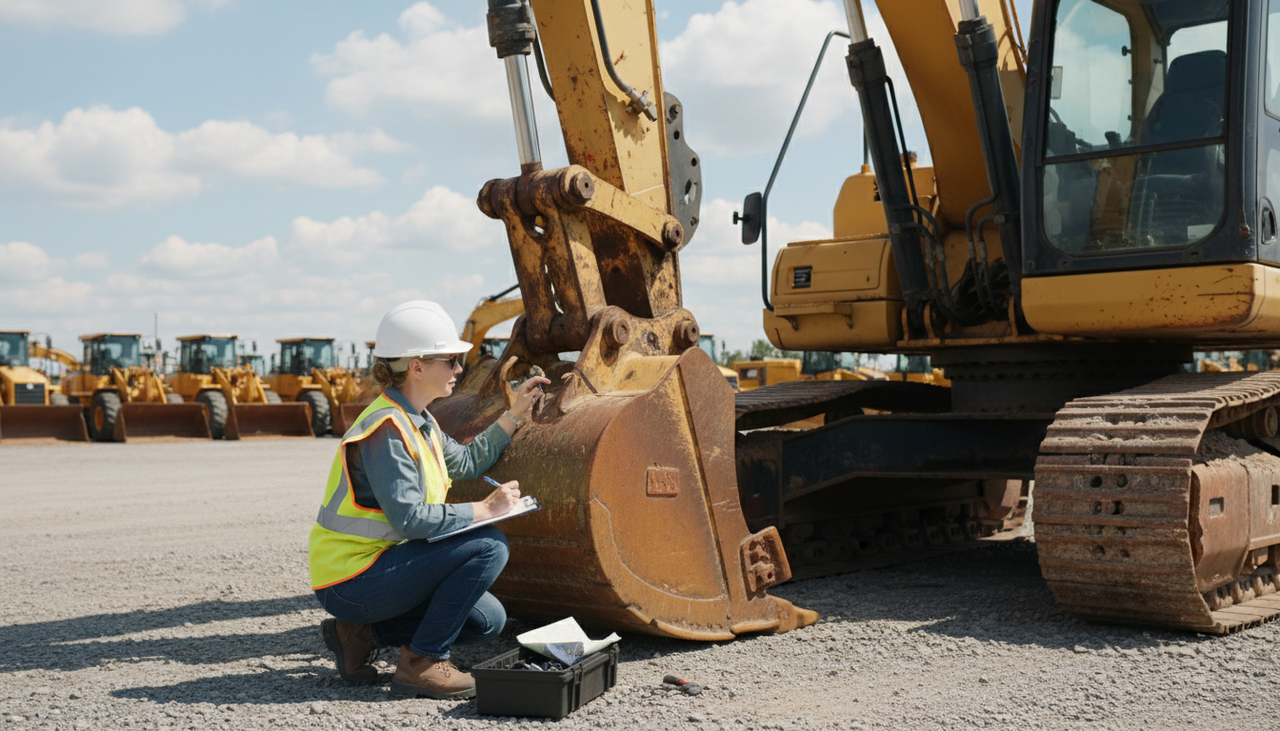
Buying a used excavator can save you thousands of dollars compared to purchasing new equipment. But if you skip the inspection process or don't know what to look for, you might end up with a machine that costs more in repairs than it's worth.
We've helped buyers navigate the used excavator market for years, and we know exactly what separates a solid investment from a money pit. This guide walks you through the inspection process step by step, so you can buy with confidence.
Start with Operating Hours and Service Records
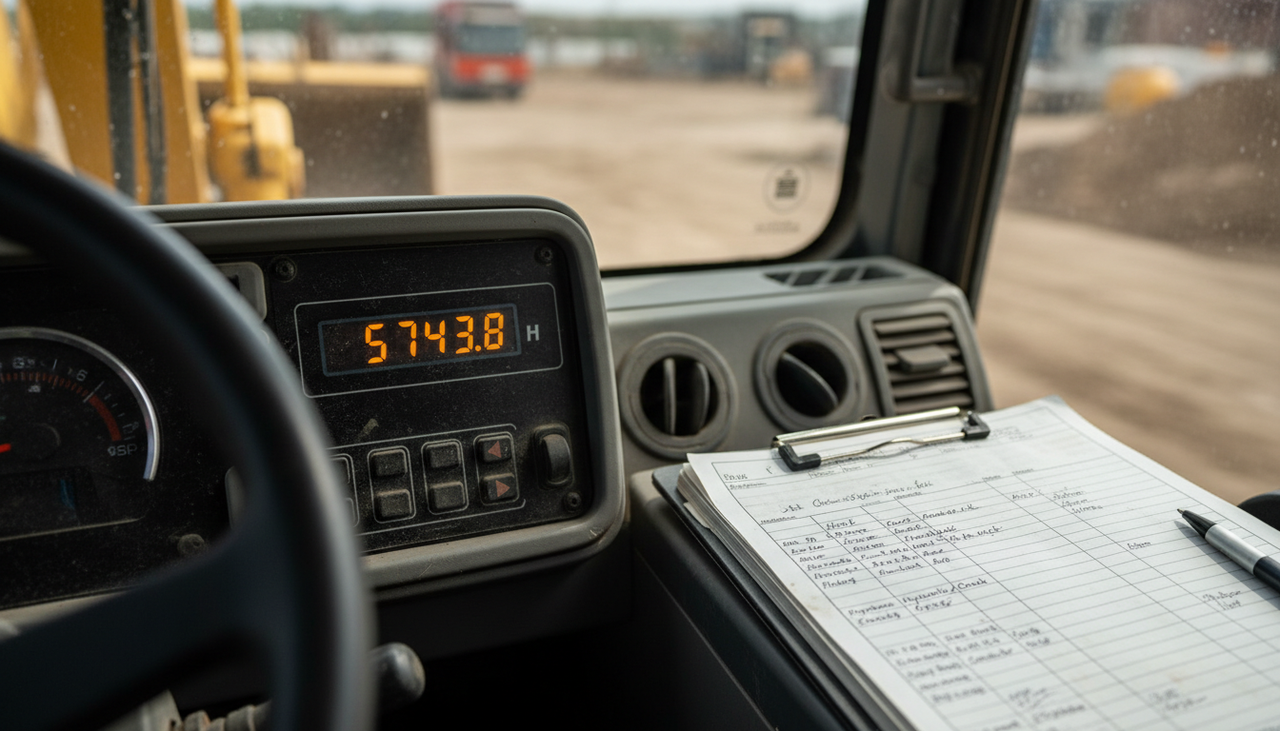
Ask for the maintenance logs—a well-kept machine will also have documented history of servicing with reasonable intervals. Check the hour meter reading. Most excavators can run 10,000+ hours with proper care, but how those hours were spent matters more than the number itself.
A machine with 3,000 hours doing light landscaping work will be in better shape than one with 2,000 hours spent in rock quarries. Good machines have well-documented service history—check to see if there are diligent service records and that the machine was serviced at recommended intervals.
Look for records of oil changes, filter replacements, and hydraulic service. If the seller can't provide any documentation, that's a red flag. You should also verify the model and serial numbers match all paperwork to avoid fraud.
Inspect the Undercarriage Thoroughly
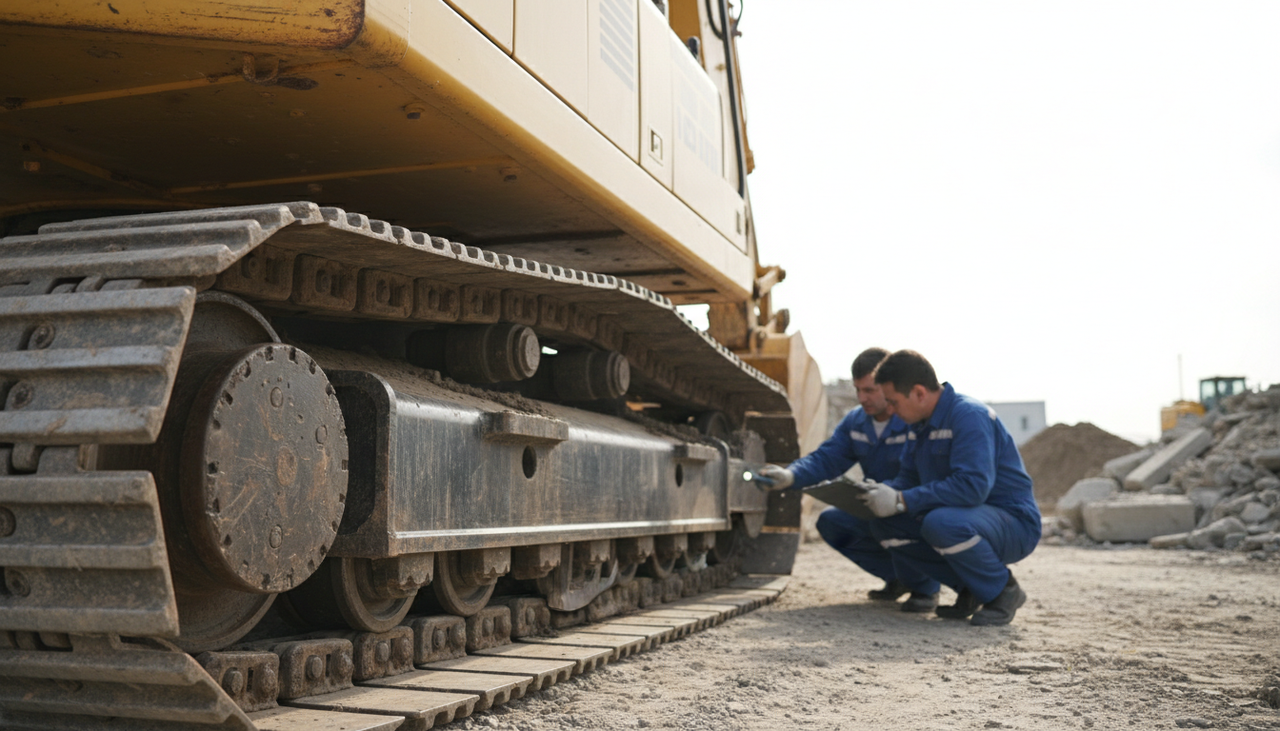
The undercarriage of an excavator accounts for half of the cost of ownership, so don't skip this step. Get down on your hands and knees and look at every component.
Key undercarriage components to check:
Track pads or shoes: Look for cracks, uneven wear, or missing chunks. Steel tracks should have visible grouser height remaining
Rollers: Spin them by hand—they should rotate smoothly without grinding noises or excessive play
Idlers: Check for flat spots, cracks, or oil leaks around the front idler wheel
Sprockets: Examine teeth for wear—they shouldn't be pointed or severely worn down
Track tension: Proper tension prevents premature wear and indicates good maintenance
If the undercarriage needs work, it might cost $3,000-8,000 depending on the machine size. Use any needed repairs as negotiating leverage.
Check Engine Performance and Fluids
Start the engine and pay attention. It should fire up smoothly without excessive cranking. Listen for knocking or grinding after starting—check the exhaust smoke: some white smoke on a chilly day is normal, but persistent blue smoke indicates burning oil and black smoke indicates fuel system issues.
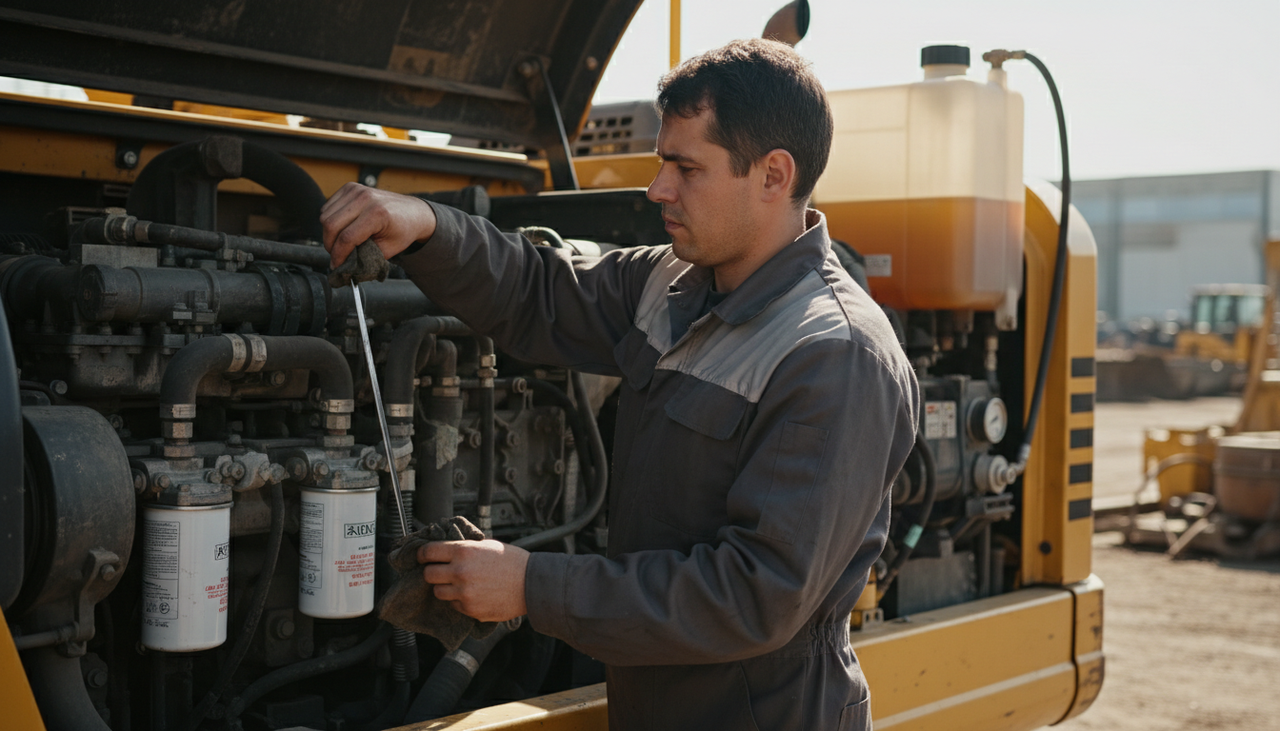
Before starting the machine, check all fluid levels. Check fluid levels before turning the key—engine oil, hydraulic fluid, and coolant should be clean and at the right levels, while milky fluids may suggest interior contamination or deterioration.
Look at the oil on the dipstick. Dark oil isn't necessarily bad if the machine is due for service, but metal particles or a burnt smell are warning signs. Pop the radiator cap (only when cool) and check coolant condition and level.
Evaluate the Hydraulic System
Excavators are hydraulic machines, so this system needs to be in good shape. Your used excavator operational checklist requires a complete hydraulic system inspection—check all hydraulic lines, fittings, and cylinders for leaks while the engine is running, with high-pressure areas around boom, stick, and bucket cylinders requiring specific attention.
Check the color of the hydraulic fluid—it should be clear amber, not dark brown or milky. Dark fluid might mean it's overdue for a change, while milky fluid indicates water contamination.
Operate all functions slowly and watch for cylinder drift. If you extend the boom and it slowly drops on its own, that indicates worn seals. Small seepage around cylinder rods is common on older machines, but active dripping means repairs are needed soon.
Test the Cab and Controls
Productivity requires a safe, functional operator's station—your inspection must cover the cab and controls, starting with getting into the operator's seat and checking its adjustments. Make sure the seat belts work and the ROPS (rollover protection structure) is intact without cracks or modifications.
Start the machine with the key and check that all gauges and the digital display panel light up without error codes. Test every switch, joystick, and pedal. Controls should respond smoothly without sticking or delays.
Check the condition of windows—cracks or crazing can be expensive to replace. Make sure doors latch securely and HVAC systems function if present. Test lights, horn, and backup alarms.
Walk Around the Exterior
The first thing to inspect is the external condition of the excavator—some damage, like scratches or rust, is easily visible without too much investigation, while other areas, such as the undercarriage, might require a closer look.
While minor cosmetic blemishes are normal for a used machine, make sure the frame of the excavator is free from significant or problematic dents, scuffs, rust, scratches, paint chips or warping—excessive damages could mean the machine wasn't properly cared for, and check that all welded areas are intact and that each hinge and latch are functional.
Look closely at boom and stick welds. Cracks in welds appear as a fringe of rust where the bare metal is exposed to the elements—look at the frame, boom, stick, blade, and other load-bearing parts of the excavator.
Inspect the bucket for worn teeth, cracks in the cutting edge, and overall condition. Check attachment mounting points for excessive wear or damage.
Run a Full Operational Test
Paper inspection only tells part of the story. You need to see the machine work. Pay attention to how easily the machine starts—it should start up smoothly without any unusual sounds or long cranking, and when operating the machine, check how smoothly it moves, turns, and pivots, as any jerking, unusual noises, or difficulty in operation could be signs of underlying mechanical issues.
Operate each function individually, then run multiple functions together to test the hydraulic pump capacity. The machine should maintain power and speed even when you're curling the bucket, extending the stick, and swinging at the same time.
Drive the machine forward and backward. Tracks should move smoothly without jerking or slipping. Listen for unusual grinding or clunking noises from the final drives.
Conclusion
Inspecting a used excavator takes 1-2 hours, but that time investment protects you from expensive surprises down the road. Focus on the big-ticket items: undercarriage condition, hydraulic system integrity, and engine health. These areas represent the highest repair costs if problems exist.
Always bring someone who knows excavators if you're not experienced with these machines yourself. A few hundred dollars spent on a professional inspection can save you thousands in repairs. And if a seller refuses to let you inspect thoroughly or won't provide service records, walk away—there are plenty of other machines available.
We offer a wide selection of quality used Caterpillar excavators, Komatsu excavators, and Hitachi excavators that have been carefully evaluated. When you're ready to make your purchase, check our guide on how to pay for a second-hand excavator overseas to understand your payment options.
Frequently Asked Questions
What's the most expensive part to replace on a used excavator?
The undercarriage typically costs the most to replace, accounting for up to 50% of total operating costs. A complete undercarriage replacement can run $10,000-$30,000 depending on machine size. That's why inspecting tracks, rollers, idlers, and sprockets so carefully is critical before buying.
How many hours is too many on a used excavator?
There's no single answer since it depends on maintenance history and application. A well-maintained excavator can run 10,000+ hours. Focus more on service records and current condition than the hour meter alone. A machine with 5,000 hours and great maintenance beats one with 3,000 hours and no service history.
Can I inspect a used excavator remotely through photos and videos?
Photos and videos help with initial screening, but they can't replace an in-person inspection. Sellers can easily hide problems in photos or avoid showing problem areas. You need to start the machine, operate it, check fluid condition, and look underneath. If you can't inspect in person, hire a third-party inspection service in the machine's location.
What should hydraulic fluid look like in a used excavator?
Healthy hydraulic fluid should be clear amber in color. Dark brown or black fluid indicates it's overdue for changing, while milky or cloudy fluid means water contamination—a serious problem. The fluid should also be at the proper level on the sight glass or dipstick. Low fluid levels suggest leaks that need investigation.
Should I bring a mechanic when inspecting a used excavator?
If you're not experienced with heavy equipment, absolutely bring someone who is. A qualified mechanic or equipment inspector typically charges $200-$500 for a pre-purchase inspection, which is cheap insurance against buying a problem machine. They'll catch issues you might miss and can estimate repair costs for negotiation.
FairTradeMachinery
You Design the Vision. We Handle the Hard Parts.
Helping Global Buyers Access Better-Value Machinery and After-Sales Solutions.
As China's Leading Global Used Machinery Exchange Platform, we sits at the intersection of IoT technology and B2B commerce. That means real-time inventory data, verified seller profiles, and a transaction process designed for cross-border buyers who can't always inspect machines in person. Our users in China have exceeded 1.5 millions meaning we have the first source of excavator owners and the equivalent number of machines. This means we can cover all the popular models and even specific needs, no matter of the status.






 Live Chat On Whatsapp Now

 FAQs
FAQs WhatsApp