Japanese vs Chinese Excavators: Pros and Cons Compared
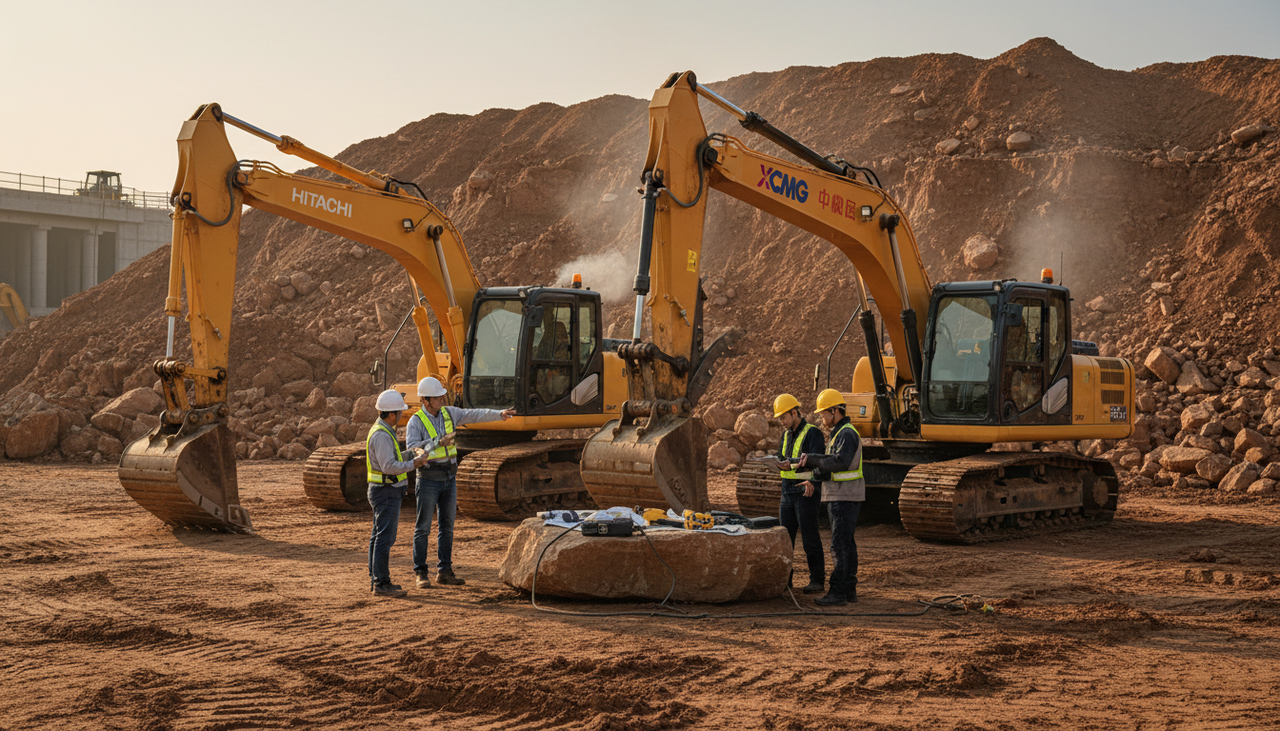
Shopping for an excavator but caught between Japanese precision and Chinese affordability? You're not alone. We've watched both markets evolve—and the gap is narrower than most people think. Let's break down the real differences, costs, and trade-offs so you can pick the right machine for your operation.
Why This Choice Matters More Than Ever
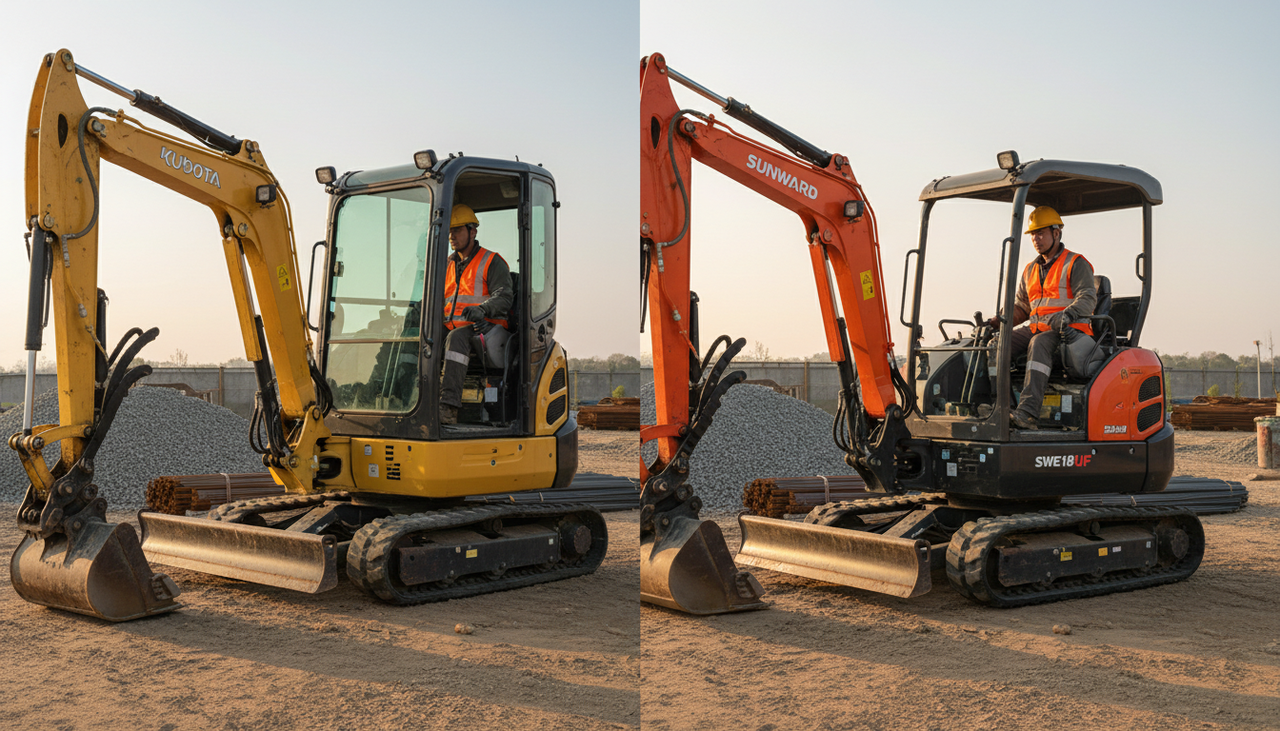
Mini excavators under 6 tons are no longer dominated exclusively by Japanese and European brands. Chinese manufacturers have rapidly improved engineering quality, component sourcing, and global service networks, creating legitimate options for buyers in every segment. The decision now goes beyond just brand reputation—it's about lifecycle cost, local support, and what you're actually doing with the machine.
If you're looking at used excavator options from top brands, understanding the strengths and limitations of each origin can save thousands in unexpected repairs or downtime. We'll compare both on performance, durability, price, and the factors most buyers overlook.
Japanese Excavators: Built for the Long Game
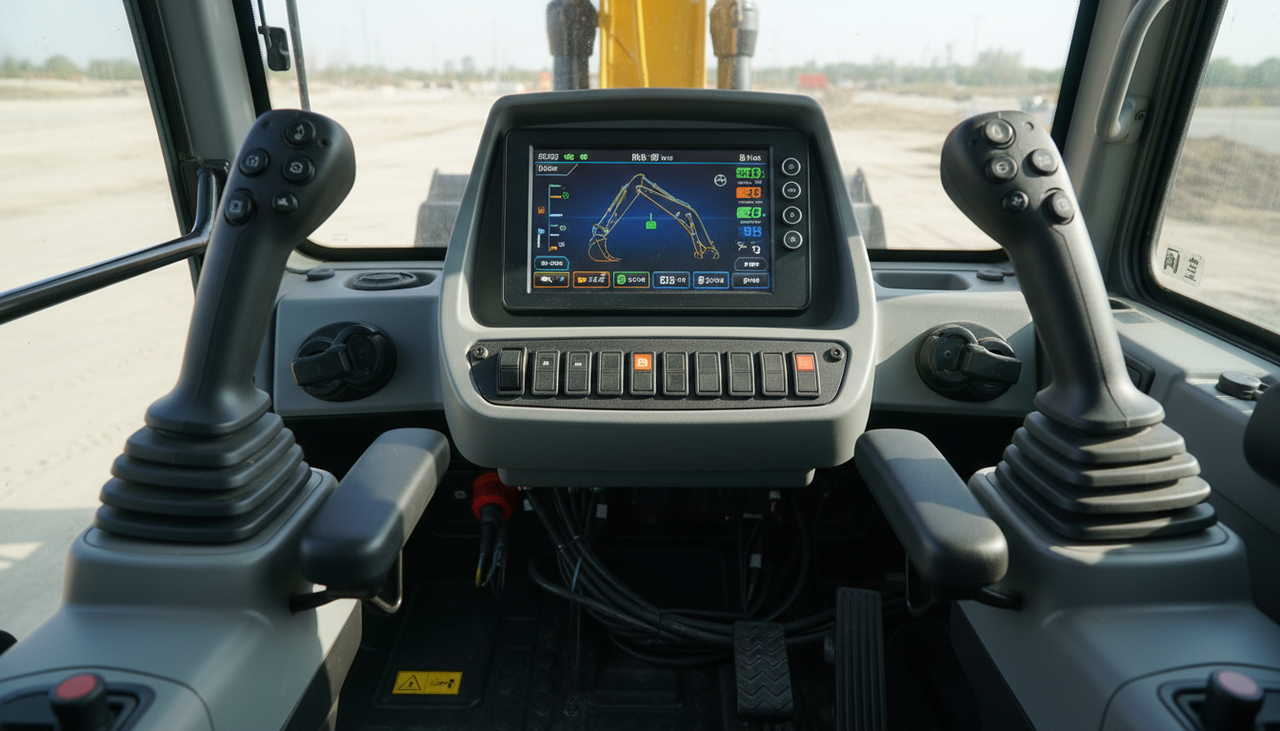
Japanese excavators are preferred throughout industries due to their longevity, precision engineering, and fuel efficiency. Japanese construction equipment is built to last. Their precision ensures smooth functioning and reduces project errors. Brands like Komatsu, Hitachi, Kubota, and Yanmar have spent decades refining every hydraulic line, every weld, every control system.
Pros:
Resale value holds strong. Japanese and European machines still retain stronger resale value, which matters if you plan to rotate equipment every 5-7 years.
Fuel efficiency. Japanese models combine cost-effective engineering with cutting-edge technology. This reduces gasoline and maintenance costs.
Precision controls. Operators report smoother hydraulics and better response in tight-tolerance jobs like utility work or urban grading.
Global dealer networks. Parts and certified techs are easier to find, especially in North America and Europe.
Cons:
Upfront cost is higher. Japanese mini excavators tend to be more expensive upfront than their Chinese counterparts—sometimes 30-50% more for comparable tonnage.
Imported parts can delay repairs. While durable, Japanese mini excavators may require higher maintenance costs, especially for parts that are imported.
Premium features you might not need. GPS, telematics, and eco-modes add cost but may sit unused on job sites focused purely on digging.
For contractors prioritizing uptime, brand reputation, or resale, Japanese machines still set the benchmark. But that premium comes with real dollar signs attached.
Chinese Excavators: Closing the Quality Gap Fast
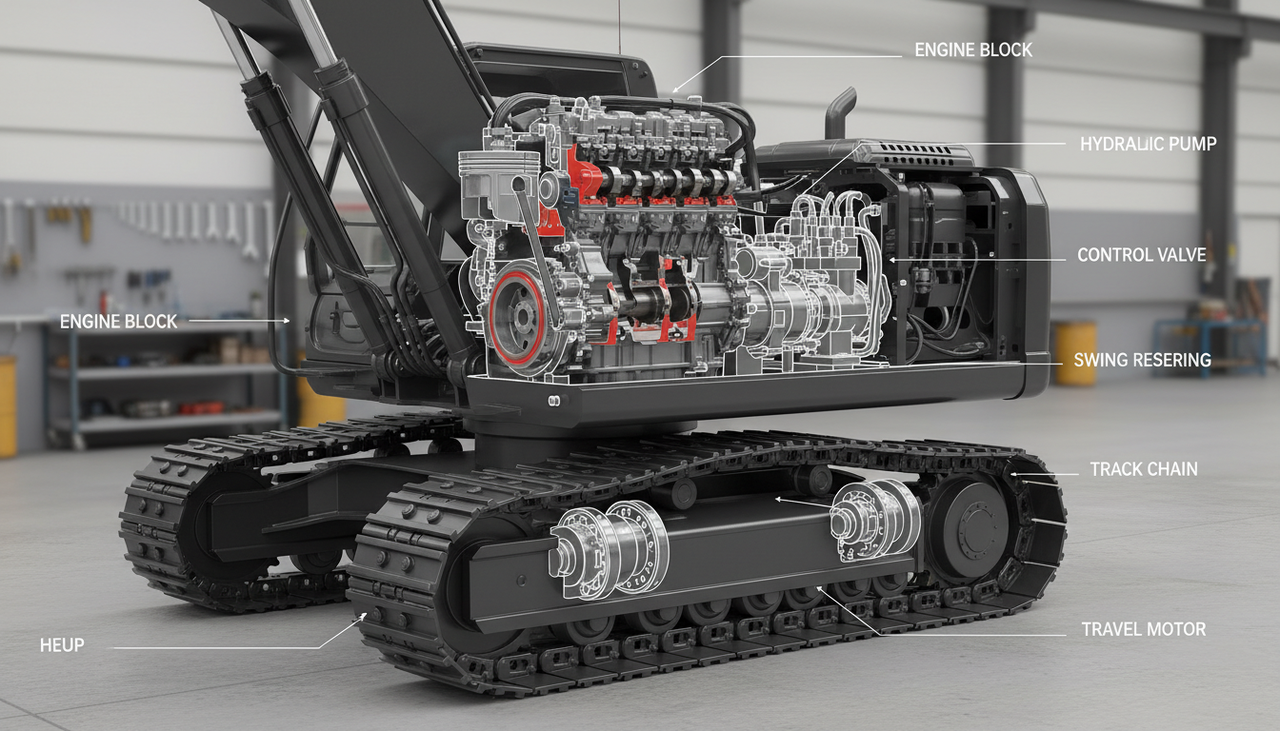
Over the last decade, Chinese mini excavators have witnessed significant improvements, fueled by the latest manufacturing techniques and global supplier alliances and better quality control. The most reputable Chinese manufacturing companies employ robot welding CNC manufacturing, laser cutting as well as automatic painting equipment. They also employ high-quality steel as well as components from globally acknowledged brands. These improvements put Chinese models to par with, and sometimes even beat, European and Japanese alternatives.
Brands like SANY, XCMG, and newer players are no longer just cheap knock-offs. They're using Kubota or Yanmar engines, Parker hydraulics, and ISO-certified production lines.
Pros:
Unbeatable price point. Chinese mini excavators typically cost 20–40% less than comparable Japanese or European models, making them accessible for smaller contractors or fleet expansion.
Competitive performance for standard jobs. Modern Chinese mini excavators now deliver hydraulic performance comparable to established brands in most standard applications, including trenching, grading, and general construction. For the majority of contractors, however, Chinese machines provide more than sufficient performance at a significantly lower entry cost.
Faster ROI. Lower acquisition cost means you break even quicker, especially if you're running rental operations or budget-sensitive projects.
Improving quality control. Brands like RIPPA commonly use globally recognized engines such as Kubota or Yanmar, fully compliant with Tier and Stage regulations. Hydraulic systems increasingly rely on internationally sourced or high-quality domestic components. Structural parts benefit from CNC cutting and robotic welding, improving consistency and durability.
Cons:
Service networks still developing. Parts might ship direct from the factory rather than stocked locally, which can mean longer lead times if something breaks.
Lower resale values. Resale perception of Chinese brands is improving rapidly, especially for reputable manufacturers. Well-maintained Chinese excavators now hold reasonable value in many global markets, but it's still not on par with Japanese brands.
Precision trade-offs on fine work. Japanese and European machines still lead in ultra-fine control and long-term consistency under extreme usage. For precision-intensive operations, this difference can matter.
If you're running day-to-day earthmoving, demolition, or trenching—and cost matters—Chinese excavators deliver solid value. Just make sure your supplier has parts support in place.
Price Breakdown: What You're Actually Paying For
Let's talk numbers. A new 3.5-ton Japanese mini excavator might run $35,000-$50,000. The Chinese equivalent? $18,000-$30,000. That's not a rounding error—it's a different tier entirely.
Labor remains a major reason Chinese mini excavators are cheap. Despite rising wages, the average industrial wage in China is still far lower than in the US, Germany, or Japan. Workers in Chinese factories are often multi-skilled, capable of handling multiple assembly tasks—further reducing workforce size and costs. Add in government subsidies, vertically integrated supply chains, and economies of scale, and you see why the price gap exists.
But here's the thing: Chinese mini excavators typically cost 20–40% less than comparable Japanese or European models. This lower acquisition cost significantly improves ROI for rental fleets and owner-operators. If you're flipping equipment every 2-3 years or need multiple machines, that difference compounds fast.
When considering payment options for overseas equipment purchases, remember that upfront savings on Chinese models free up capital for attachments, transport, or backup inventory.
Reliability and Lifespan: What the Data Shows
Leading Japanese excavator manufacturers maintain stringent engineering standards that have earned Japanese excavator companies a reputation for unsurpassed dependability. These brands test their machines to fulfill strict global standards to ensure long-term performance in difficult situations. Expect 8,000-10,000+ hours with proper maintenance.
Chinese machines? The average operating hours of YUFAN mini excavators can last 1,500-2,000. Our experts recommend operating the mini excavator for approximately 3-4 hours per day. And it should serve you well for several years. Translation: they'll handle residential, light commercial, and periodic use without issue. Push them into heavy-duty mining or 12-hour shifts daily, and you might see faster wear.
The gap is real but contextual. Japanese machines excel under sustained abuse. Chinese machines perform well under normal use—which covers most contractors' actual workloads.
Parts, Service, and Support: The Hidden Costs
Dealer density remains a strong advantage for established Western brands. Faster on-site service reduces downtime risk. If your Komatsu excavator or Hitachi machine needs a hydraulic pump, you can probably get it within 48 hours through local dealers.
Chinese manufacturers have expanded overseas warehouses, spare parts availability, and remote technical support. RIPPA supports customers through overseas inventory and direct factory assistance. For buyers comfortable with routine maintenance or independent service providers, service concerns are no longer a major barrier.
Bottom line: Japanese brands win on convenience. Chinese brands require a bit more planning but are no longer the nightmare they once were.
Which One Should You Choose?
Choose Japanese or European brands if you require extreme precision, guaranteed uptime, and long-term asset retention. Choose a Chinese mini excavator if cost efficiency, faster payback, and flexible sourcing matter more.
Go Japanese if:
You're running heavy-duty operations (mining, demo, 10+ hour days)
Resale value and brand recognition matter
You need ultra-precise controls for utility or landscaping
Budget allows for premium pricing
Go Chinese if:
You're expanding a fleet on a tight budget
You're doing standard excavation, grading, or trenching
You want faster ROI and lower acquisition cost
You have access to parts or can handle longer lead times
For SANY excavators and other top Chinese brands, make sure you verify certifications (CE, EPA, ISO) and ask about warranty terms and parts availability in your region.
Conclusion: It's Not About Better—It's About Fit
Japanese excavators deliver unmatched durability, resale value, and precision. Chinese excavators offer game-changing affordability and performance that's "good enough" for most jobs. The right choice depends on your workload, budget, and how long you plan to keep the machine.
We've helped contractors navigate this decision for years, and here's what we tell them: don't let brand bias cloud the numbers. Run the math on total cost of ownership, factor in your actual usage, and pick the tool that fits the job. Whether you're buying new or exploring quality used machinery, both options have earned their place on the modern job site.
FAQs
Are Chinese excavators reliable enough for daily commercial use?
Yes, especially from established brands like SANY and XCMG. Modern Chinese excavators use international components (Kubota engines, quality hydraulics) and meet ISO standards. They handle daily commercial work well, though Japanese machines still edge ahead for extreme-duty applications or precision-intensive tasks.
How much can I save buying Chinese vs Japanese excavators?
Typically 30-50% on the purchase price. A $40,000 Japanese mini excavator might have a $20,000-$28,000 Chinese equivalent with similar specs. Factor in slightly higher resale value for Japanese machines, but the upfront savings are significant for budget-conscious buyers.
Do Chinese excavators have good parts availability in the US?
It's improving. Major brands now stock parts in regional warehouses and offer direct shipping from factories. Expect slightly longer lead times than Japanese brands with established dealer networks, but it's no longer the multi-week wait it used to be. Work with suppliers who verify parts support before purchase.
Which Japanese excavator brand is most reliable?
Komatsu, Hitachi, and Kubota consistently rank highest for reliability and longevity. Komatsu excels in heavy-duty applications, Hitachi offers excellent fuel efficiency and precision, and Kubota dominates the compact/mini excavator segment. All three maintain strong resale value and global service networks.
Can I get financing for Chinese excavators?
Yes, though terms vary. Some US-based dealers offer financing packages for Chinese brands like SANY and XCMG. Alternatively, explore equipment financing companies that work with imported machinery. Just ensure your lender accepts the brand and model you're considering, as some prefer established names with stronger resale history
FairTradeMachinery
You Design the Vision. We Handle the Hard Parts.
Helping Global Buyers Access Better-Value Machinery and After-Sales Solutions.
As China's Leading Global Used Machinery Exchange Platform, we sits at the intersection of IoT technology and B2B commerce. That means real-time inventory data, verified seller profiles, and a transaction process designed for cross-border buyers who can't always inspect machines in person. Our users in China have exceeded 1.5 millions meaning we have the first source of excavator owners and the equivalent number of machines. This means we can cover all the popular models and even specific needs, no matter of the status.






 Live Chat On Whatsapp Now

 FAQs
FAQs WhatsApp