Used Construction Equipment Market Trends 2026
The used construction equipment market is going through some big changes right now. If you're looking to buy secondhand machinery in 2026, you'll want to know what's actually happening with prices, inventory, and buying patterns.
We've watched this market shift over the past few years, and 2026 looks different from what many people expected. The market is set to reach over $142 billion by 2026, but that growth comes with new challenges and opportunities. Let's look at what's really going on and what it means for your next equipment purchase.
Market Size and Growth Projections

The numbers tell an interesting story. The global construction equipment market is expected to grow from $170.2 billion in 2025 to $284.1 billion by 2034, at a CAGR of 5.9%. But here's the catch—recovery momentum is now more likely to build in 2026 rather than sooner.
This delay affects the used equipment sector too. Demand for affordable equipment to complete construction projects is driving market growth, as high initial investments associated with purchasing new equipment are encouraging construction contractors to switch to used machines. If you're weighing whether to go used or new, budget pressures are pushing more buyers toward pre-owned options.
For specific brands, check out our listings for used Caterpillar excavators, Komatsu models, and Hitachi equipment.
Pricing Trends and Value Changes
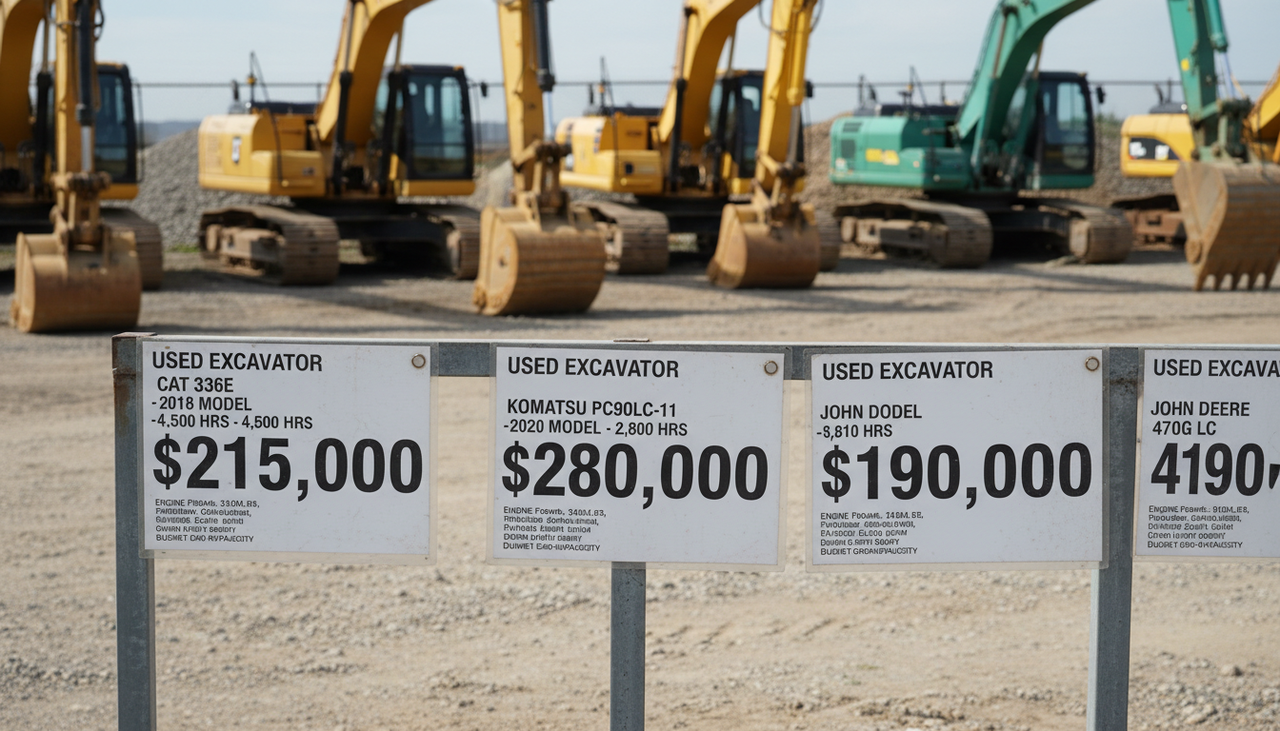
Prices for used equipment haven't been following a straight line. The average price for a used excavator was $159,324 in February 2024 compared to $157,748 in January 2024, with the average age of used excavators rising from 7.01 years to 7.26 years.
What's driving these price movements? Several things. Interest rates, inflation concerns, rising material costs and labor shortages continue to challenge the industry. But there's a silver lining—used equipment inventories are much lower than they were a few years ago, which is driving prices up faster than those of new equipment, making this dynamic a positive development for selling new equipment.
For buyers, this means doing your homework pays off. Machines with documented service history and lower hours (under 4,000) typically hold 60–75% of their original value. And if you're buying SANY excavators or other Asian brands, you might find better deals than with Western OEMs.
Rental vs. Purchase Dynamics
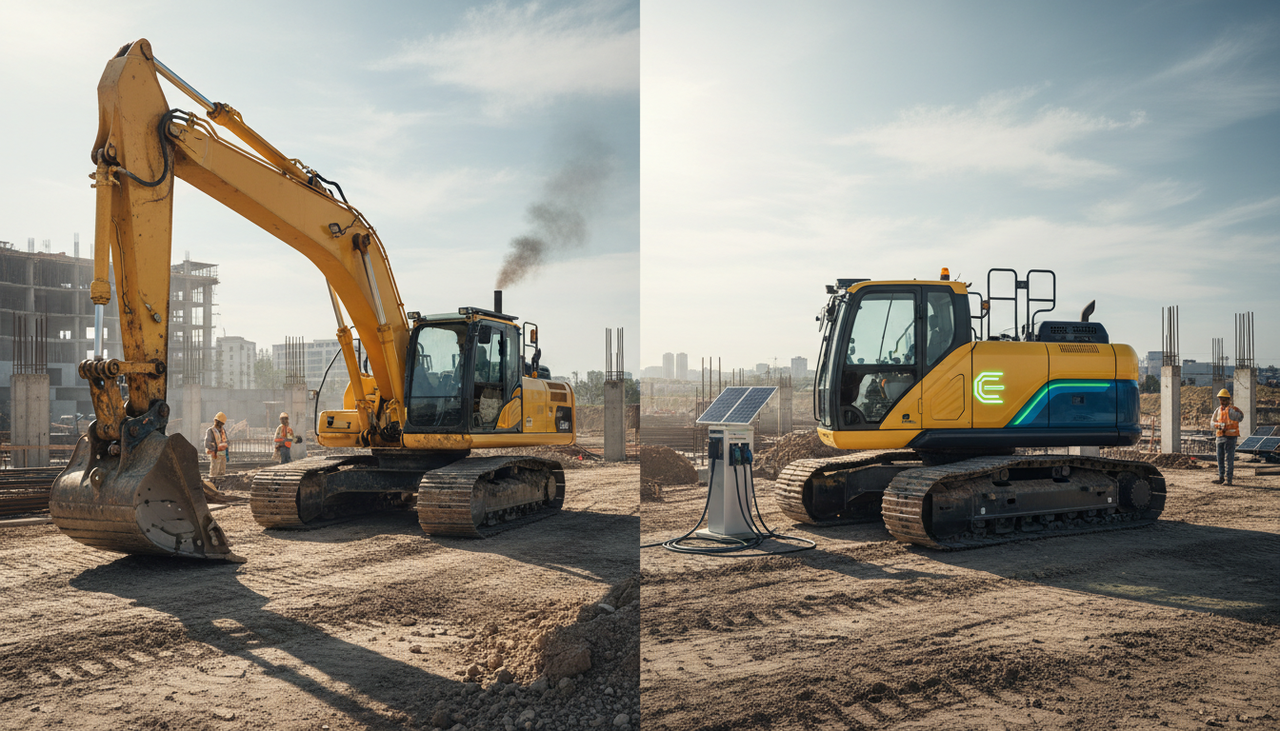
Here's where the market gets interesting. The construction equipment market trends indicate a clear shift toward rental-based models, with contractors increasingly preferring renting machinery rather than owning, optimizing usage and reducing capital expenditure.
This rental trend is affecting the used market in two ways. First, rental companies offer a wide variety of construction equipment at affordable rates, and renting the machines also assists building contractors to forego the costs of equipment maintenance and repair. Second, when rental companies rotate out equipment, it creates a steady supply of well-maintained used machines.
But rental isn't always the answer. If you need equipment for long-term projects or regular use, buying used still makes financial sense. Check out our guide on paying for secondhand excavators overseas if you're considering international purchases.
Technology and Equipment Innovation
Used construction equipment is increasingly being retrofitted with telematics systems and IoT devices to monitor performance, maintenance needs, and operational efficiency. This changes what you should look for when buying.
Electrification is another big trend. The energy transition is providing a major opportunity, with electrification and hydrogen-powered machinery rapidly gaining momentum, with the global off-highway electric vehicle market projected to grow from $3.1 billion in 2025 to $6.3 billion by 2032, at a CAGR of 14.5%.
What does this mean for your buying decision? Newer used equipment with GPS tracking, telematics, and better fuel efficiency will hold value better. Tier 4 Final and Stage V-compliant models from post-2020 are seeing higher demand because of stricter environmental regulations.
Regional Market Variations
Where you buy matters as much as what you buy. North America, particularly the United States and Canada, contributes the majority share of the market with its developed infrastructure and construction projects.
But the fastest growth is happening elsewhere. The APAC region is an up-and-coming sector in the market, earning its name as the fastest-growing market segmentation due to rising urbanization and technological advancements in the construction industry.
Pricing varies by region too. Importing from markets like Japan can sometimes save 10–20% compared to buying domestically. But you need to factor in shipping costs, import duties, and compliance requirements. African markets, for instance, can add 15–20% in import duties to the base price.
Earthmoving Equipment Dominance
Not all equipment types are moving at the same pace. The earthmoving equipment segment held the leading position with 53.52% of the market share in 2026, driven by its essential role in excavation, grading, and site preparation, with strong demand from infrastructure, mining, and urban development projects.
Excavators remain the workhorse of construction sites. The material handling & cranes segment is anticipated to grow at over 7% CAGR through 2026 owing to the increasing demand in large construction & utility distribution projects, with increasing adoption in the construction of large commercial buildings.
Supply Chain and Availability
Supply chain issues are still affecting the market. Tightening availability of critical components, including hydraulic systems and engine parts, is extending lead times and impacting project schedules, with leading manufacturers bringing production in-house to stabilize supply chains.
This creates opportunities in the used market. When new equipment has long lead times, buyers turn to used machines. Availability of quality used equipment has become more valuable than ever.
Sustainability and Circular Economy
More companies are thinking about sustainability. Environmental sustainability is becoming a priority for construction projects, with reusing and refurbishing construction machinery aligning with circular economy initiatives, reducing environmental impact and supporting long-term market growth.
This isn't just feel-good marketing. Some cities now mandate zero-emission equipment for government projects. Rising demand for rental and used equipment exists due to affordability, with the availability of top-notch secondhand construction equipment available for a small portion of the price of new machinery.
Conclusion
The used construction equipment market in 2026 is about balancing cost savings with technology needs. Prices remain firm but fair, rental models are reshaping ownership patterns, and technology like telematics is becoming standard even in used machines.
For buyers, the key is knowing what you need. The market is poised for promising growth due to various factors, with infrastructure projects continuing to expand globally and demand for cost-effective machinery rising, while the market benefits from sustainability trends as reusing equipment aligns with environmental goals.
Do your research on specific models and their maintenance history. Consider total cost of ownership, not just purchase price. And don't rush—the market has inventory, but the best-maintained machines with documented service records move fast.
FAQs
What's the average price of a used excavator in 2026?
Used excavator prices average around $159,000 to $160,000 for standard models, though this varies widely based on age, hours, and condition. Machines under 4,000 hours typically retain 60–75% of their original value. Prices have been climbing slightly due to lower inventory levels and continued demand from contractors looking for affordable alternatives to new equipment.
Should I buy or rent construction equipment in 2026?
It depends on your project duration and frequency of use. Rental makes sense for short-term projects or when you need specialized equipment occasionally. Buying used becomes more cost-effective when you need equipment for long-term projects or regular operations. Calculate your break-even point—generally, if you'll use equipment more than 60–70% of the time over 2–3 years, buying makes more financial sense than renting.
Which brands hold value best in the used market?
Caterpillar, Komatsu, Volvo, and Hitachi consistently hold value best due to reliability, parts availability, and strong dealer networks. Machines with documented service history, lower hours (under 4,000), and compliance with current emissions standards (Tier 4 Final or Stage V) command premium prices. Japanese brands like Komatsu offer particularly good fuel efficiency and lower maintenance costs, making them popular with secondhand buyers.
How is electrification affecting the used equipment market?
Electric and hybrid equipment is gaining traction, especially in urban markets with stricter emission requirements. The electric off-highway vehicle market is growing at 14.5% annually. While electric used equipment remains a small niche, buyers are paying attention to fuel efficiency and emission compliance in diesel models. Machines meeting newer environmental standards hold value better as regulations tighten in major markets.
What should I check before buying used construction equipment internationally?
Verify the machine's ownership history, maintenance records, and hours. Inspect critical components like the engine, hydraulics, and undercarriage personally or through a trusted inspector. Factor in all costs including shipping (can vary significantly), import duties (15–20% in some markets), and compliance requirements for your region. Always buy from reputable dealers who provide documentation and avoid gray-market machines without clear provenance.
FairTradeMachinery
You Design the Vision. We Handle the Hard Parts.
Helping Global Buyers Access Better-Value Machinery and After-Sales Solutions.
As China's Leading Global Used Machinery Exchange Platform, we sits at the intersection of IoT technology and B2B commerce. That means real-time inventory data, verified seller profiles, and a transaction process designed for cross-border buyers who can't always inspect machines in person. Our users in China have exceeded 1.5 millions meaning we have the first source of excavator owners and the equivalent number of machines. This means we can cover all the popular models and even specific needs, no matter of the status.






 Live Chat On Whatsapp Now

 FAQs
FAQs WhatsApp