What to Look for When Buying a Used Excavator?
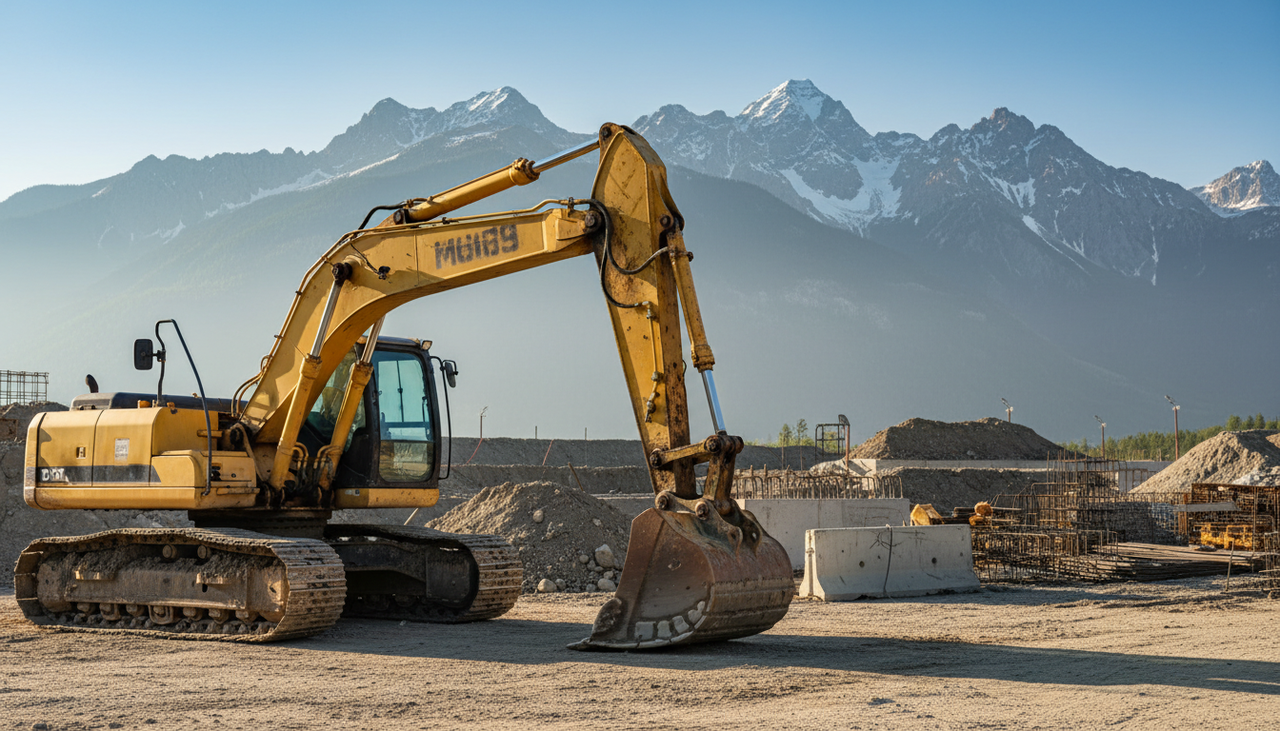
Buying a used excavator can save you thousands of dollars compared to purchasing new equipment. But without knowing what to check, you could end up with a machine that costs more to repair than it's worth. Since we've been doing used excavator over 20 years, we know exactly what to look for while buying a pre-owned excavator. That's why We've put together this practical guide to help you quickly inspect, evaluate, and make a confident purchase decision. Of course, we could also consult us in terms of used excavator services.
Why Buy a Used Excavator?
The financial benefits of buying used are hard to ignore. A new excavator can lose 20-40% of its value within the first year alone, making lightly used machines a smart alternative for buyers on a tighter budget. That initial depreciation hit has already happened, so you're not watching your investment shrink overnight.
Buying used also gives you more flexibility. The money you save on the machine itself can go toward additional buckets, attachments, or upgrades. And because used excavators are typically available right away, you won't be stuck waiting weeks or months for delivery like you might with a new model.
Pick the Right Size for Your Work
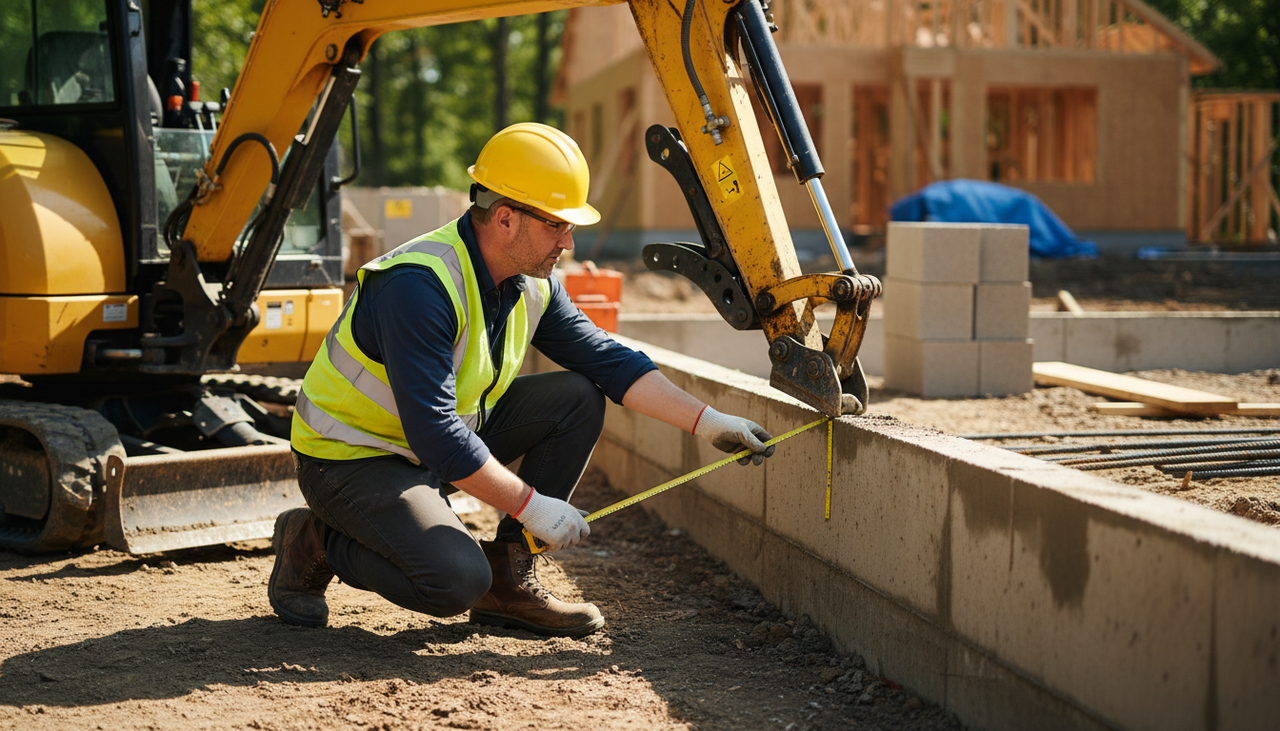
Before you even start looking at listings, figure out what size excavator matches your job requirements. A machine that's too small will struggle to keep up with other equipment on site. One that's too large might be difficult to maneuver in tight spaces or simply inefficient for smaller projects.
Think about your typical workload. Are you digging residential foundations, clearing land, or tackling commercial jobs? The answer should guide your search toward mini excavators, mid-size crawlers, or full-size machines.
Must-Check List Before Buying a Used Excavator
1.Inspect the Undercarriage Closely
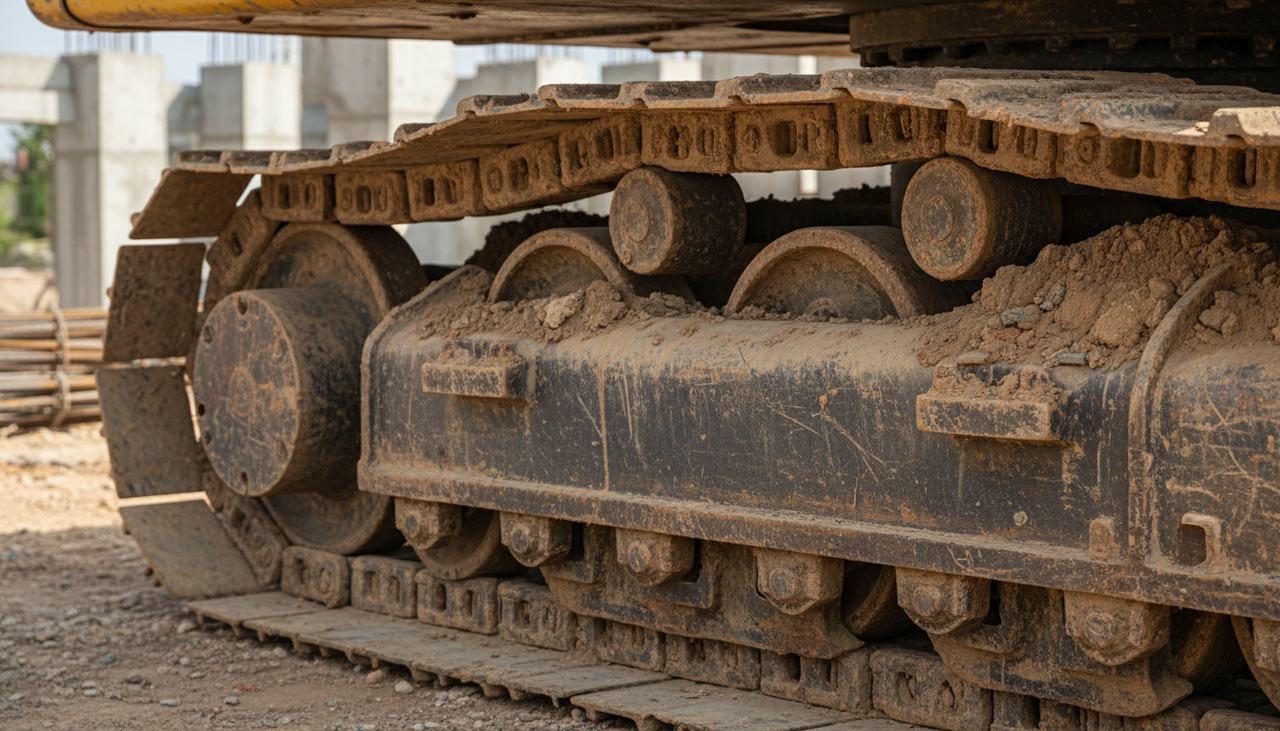
The undercarriage is one of the most expensive components to replace on an excavator. When inspecting a used machine, check the tracks for signs of excessive wear, cuts, or dry rot if they're rubber. For steel tracks, look at the track shoes, idlers, carrier rollers, and links.
Dents, holes, or oil residue around the undercarriage can signal improper care or internal damage. Track chain stretch is another red flag—worn chains can cost $5,000 or more to replace, depending on the machine. This area alone can tell you a lot about how the previous owner treated the equipment.
Quick Reference: Undercarriage Checklist
Track wear and tension
Rollers, idlers, and sprockets
Signs of leaks or oil residue
Missing or damaged track pads
2. Check the Hydraulic System
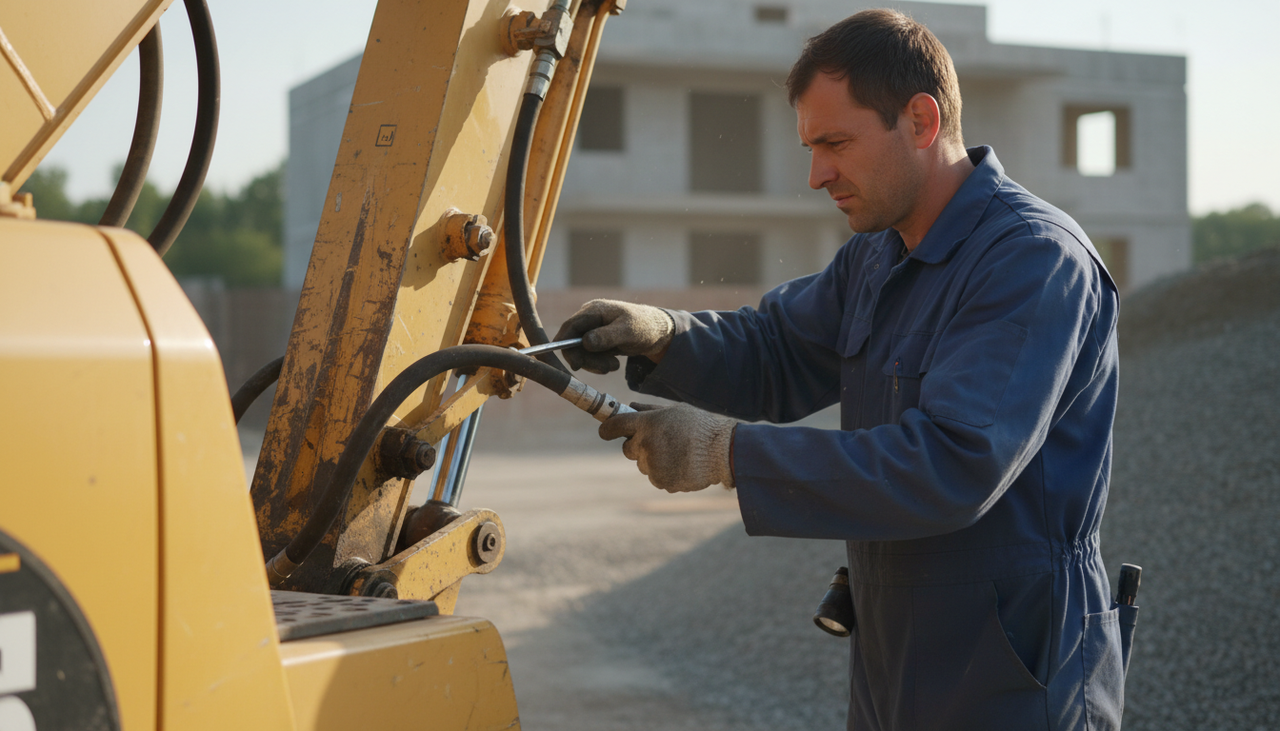
Excavators rely on their hydraulic systems for just about everything they do. A machine with hydraulic problems is going to cost you money—fast. Start by opening the hydraulic pump compartment and looking for visible leaks around cylinders, hoses, and lines.
Pay special attention to the slew ring (swing bearing) and swivel joint. Damage to the slew ring can be one of the most costly repairs on a used excavator. Rotate the housing and check for any unusual play or movement. All pins and bushings at connection points should feel tight, with no slop between the boom, stick, and bucket.
Test the hydraulic fluid by rubbing a small amount between your fingers. Grit or debris in the fluid suggests problems in the system or a lack of proper maintenance.
3. Examine the Engine and Fluids
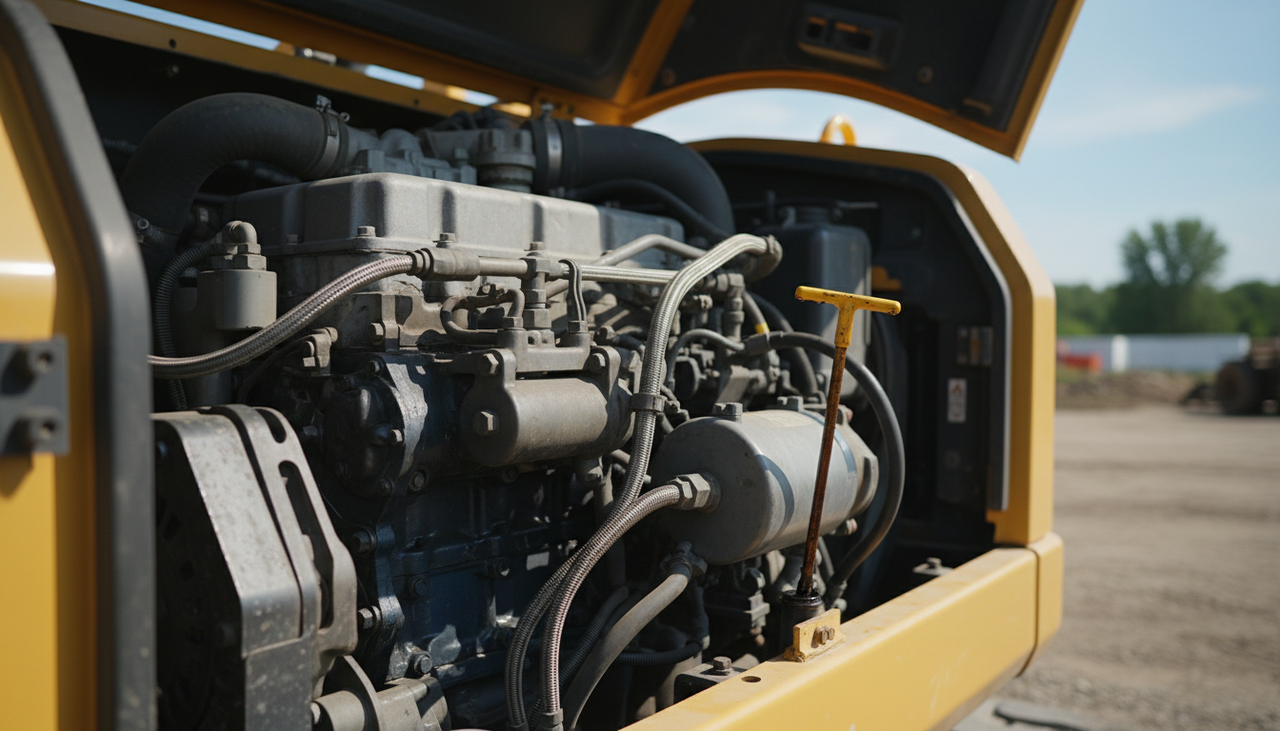
Start the engine cold and listen carefully. Knocking, rattling, or excessive smoke are warning signs you shouldn't ignore. Let the machine run for a while and check for abnormal noises after shutting it down.
Look at the oil, coolant, and hydraulic fluid levels and quality. Discolored or dirty fluids can indicate previous neglect. If there's an oil sample history available, even better—it tells you a lot about the engine's internal condition.
With the engine running, remove the dipstick and feel for air pressure. Air rushing from the engine could point to compression ring or valve problems.
4. Look for Structural Damage
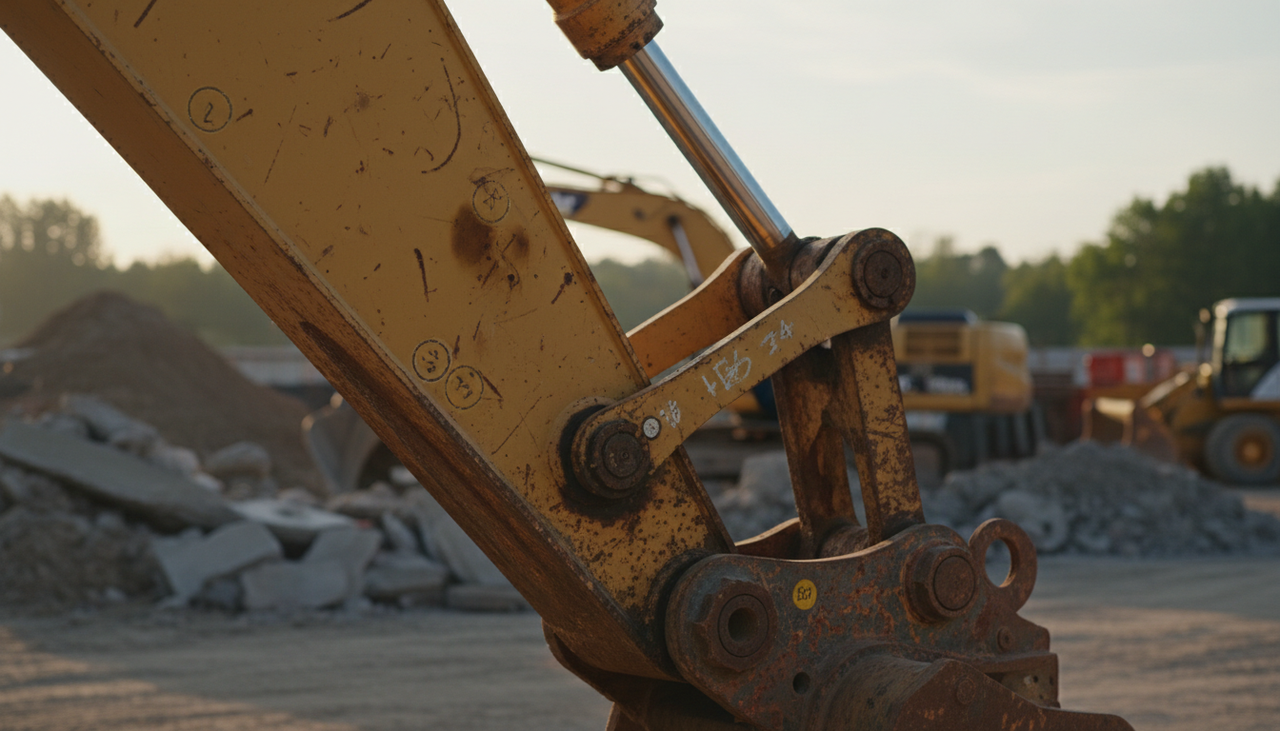
Walk around the excavator and inspect the boom, stick, and frame for dents, cracks, or bends. Cracks in welds often show up as a fringe of rust where bare metal meets the elements. Any significant bends in the boom or stick could mean the machine's structural integrity has been compromised.
Dents on the stick or undercarriage may signal that a previous operator wasn't careful with the equipment. If you're buying from a seller who used the machine as a rental, be extra cautious—rental equipment tends to see harder use.
5. Review Service History and Documentation
A well-maintained excavator should come with documented service records. Ask the seller for maintenance logs and look for regular servicing performed at the right intervals. Gaps in the records could mean underlying problems or neglected upkeep. The excavators on our sites are all documented with records, so you know exactly the status of the excavator in use.
Make sure the machine has a clear title of ownership. If you're buying from a dealership, ask about warranty options, return policies, and after-sale support. Reputable dealers will provide detailed inspection reports and won't hesitate to answer your questions.
Conclusion
Finding a quality used excavator takes some homework, but the effort is worth it. Focus on the undercarriage, hydraulic system, engine condition, and structural integrity. Always request service records and take the machine for a test run if possible. A careful inspection upfront can save you from expensive surprises down the road. Again if you need a used excavator, you can rely on us as we've sourced over 100,000 used excavators in China, and it's always a pleasure for us to help you find your ideal used excavators for your program!
FAQs
How many hours is too many on a used excavator?
Hour limits depend on the machine's size and maintenance history. Many excavators run reliably past 10,000 hours with proper care. A well-documented service history matters more than the hour count alone. Look for machines where preventive maintenance was performed consistently.
Should I buy from a dealer or private seller?
Dealers typically offer more transparency, including inspection reports and potential warranty coverage. Private sellers can have good deals, but you'll need to do more due diligence. If you know and trust the seller, that relationship reduces your risk.
What's the most expensive part to repair on a used excavator?
The slew ring (swing bearing) and hydraulic pump are among the costliest repairs. Undercarriage components like tracks, rollers, and sprockets can also add up quickly. Inspecting these areas carefully before purchase helps you avoid unexpected repair bills.
Is it okay to buy a used excavator without seeing it in person?
If distance makes an in-person visit impossible, request detailed photos, videos of the machine running, and close-ups of the undercarriage, hydraulics, and cab. A reputable seller will be happy to share this information. Consider hiring a third-party inspector for added peace of mind.
What should I do after buying a used excavator?
Change all fluids and filters, grease all fittings, and perform a thorough inspection of your own. Establish a preventive maintenance schedule right away. Taking care of small issues early keeps them from becoming big problems later.
FairTradeMachinery
You Design the Vision. We Handle the Hard Parts.
Helping Global Buyers Access Better-Value Machinery and After-Sales Solutions.
As China's Leading Global Used Machinery Exchange Platform, we sits at the intersection of IoT technology and B2B commerce. That means real-time inventory data, verified seller profiles, and a transaction process designed for cross-border buyers who can't always inspect machines in person. Our users in China have exceeded 1.5 millions meaning we have the first source of excavator owners and the equivalent number of machines. This means we can cover all the popular models and even specific needs, no matter of the status.






 Live Chat On Whatsapp Now

 FAQs
FAQs WhatsApp