How to Choose the Right Drilling Rig? The Ultimate Used Drilling Rig Buyer’s Guide
Whether you are drilling water wells, constructing pile foundations, operating in open‑pit mines, or exploring geothermal energy, selecting the right drilling rig directly impacts your project’s progress, cost, and safety. With so many types on the market – rotary drilling rigs, DTH rigs, top hammer drills, percussion rigs, and more – it can be overwhelming for buyers to know where to start.
This comprehensive guide breaks down the selection process into four clear steps: application identification, terrain & geology analysis, drilling technology selection, and machine configuration matching. By the end, you will have a solid framework to make an informed purchasing decision – whether buying new or used.
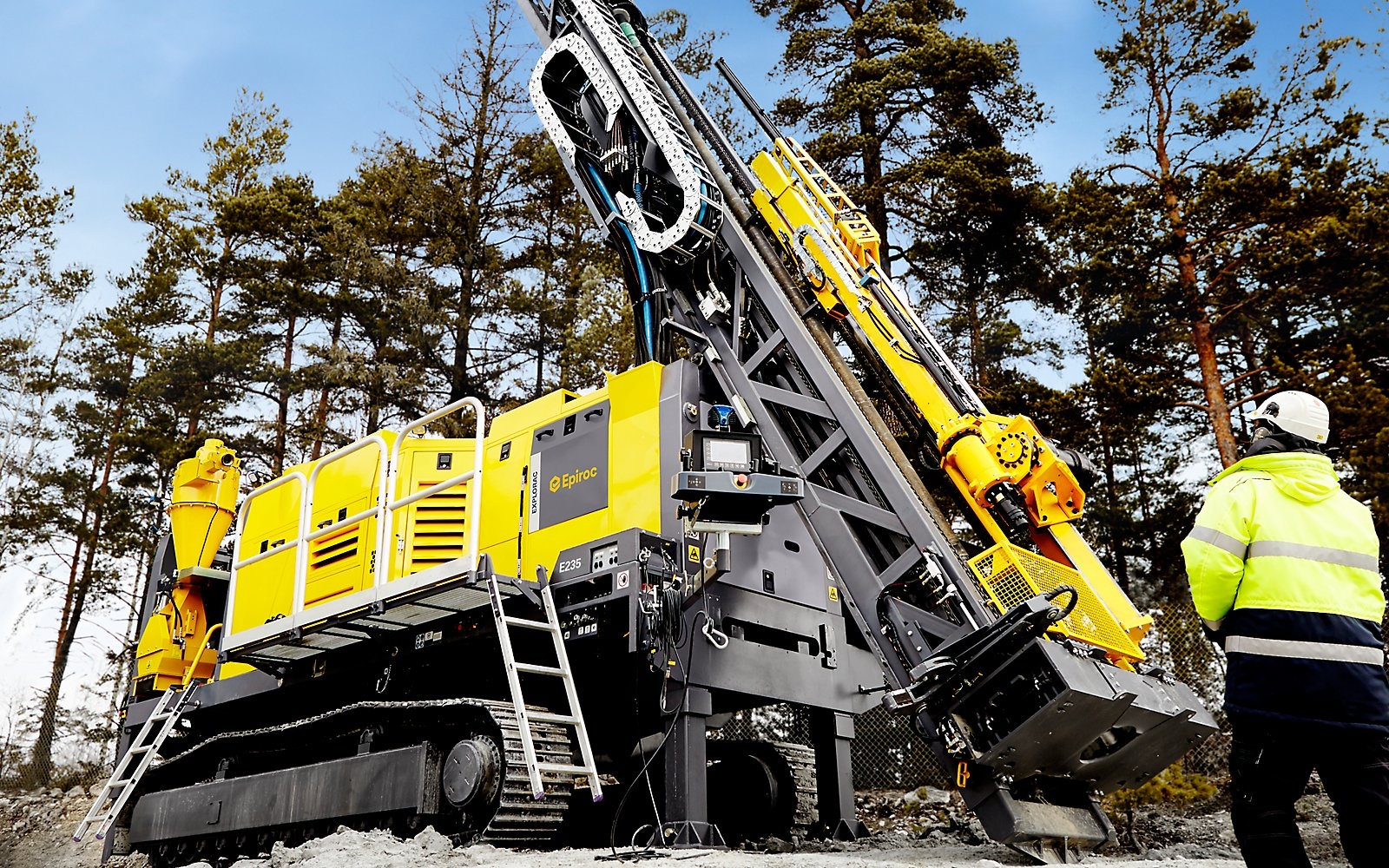
Step 1: Define Your Drilling Application
The first and most important question: What will you use the rig for?
Different applications demand completely different power, torque, depth, and diameter capabilities. Common drilling applications include:
· Water Well & Geothermal Drilling – Requires high lifting capacity and torque, often for deep holes to access groundwater or geothermal energy.
· Pile Foundation Construction – Used for bridges, high‑rise buildings, and large infrastructure; hole diameters can reach 2000 mm and depths up to 70 m. Heavy‑duty rotary rigs with high torque are essential.
· Anchor Drilling – For slope stabilization and tunnel support; diameters typically 150–200 mm, depths within 30 m. Flexibility and precise positioning are key.
· Blast Hole Drilling in Quarries & Mines – Requires large‑diameter, high‑efficiency DTH or roller‑cone rigs for production blasting.
· Geological Core Sampling – Core drilling rigs that extract intact rock samples with minimal disturbance.
· Horizontal Directional Drilling (HDD) – Used for pipeline and cable installation without trenching; requires dedicated HDD machines.
Pro tip: Once you clarify your primary application, you will have narrowed down the rig type significantly.
Step 2: Analyze the Terrain and Geological Conditions
Geology is the single most critical factor influencing drilling efficiency and equipment selection. Different ground formations require different drilling techniques and tooling.
· Soft Soil, Clay, and Sand – These formations are relatively easy to drill. Rotary and auger rigs work efficiently, offering high penetration rates and low costs.
· Gravel and Cobble Layers – High abrasiveness demands extra durability. Percussion or DTH rigs with hard‑faced bits are recommended to overcome impact and wear.
· Hard Rock (Granite, Basalt, Weathered Limestone) – This is the most challenging ground. Down‑the‑hole (DTH) hammers are the preferred solution – the hammer strikes directly at the bit down the hole, delivering far higher breaking force than pure rotation. For large‑diameter hard‑rock holes, consider heavy‑torque rotary rigs with rock tools or combination DTH systems.
· Mixed/Alternating Strata – If the site has interbedded soft and hard layers, choose a rig with versatile drilling modes or plan for multiple machines working together.
Always obtain a geotechnical survey before making a purchase. Accurate soil/rock reports are the foundation of sound equipment selection.
Step 3: Choose the Right Drilling Technology
Based on your application and geology, you need to select the most suitable drilling method. Here is a comparison of the five mainstream technologies:
1. Rotary Drilling The drill bit grinds rock under weight and rotation. Primarily used for oil and deep water wells. Pros: stable borehole, capable of great depths. Cons: large equipment, high capital cost.
2. Down‑the‑Hole (DTH) Drilling The hammer is placed at the bottom of the hole, directly impacting the bit. Compressed air flushes cuttings to the surface. Pros: extremely fast penetration, especially in hard rock; stable hole walls without casing; real‑time water yield measurement. Cons: high air consumption requires powerful compressors. Depth capability up to 4000 m.
3. Top Hammer Drilling The hammer remains above ground, transmitting impact energy through the drill string to the bit. Pros: lightweight, can drill in any direction (vertical, inclined, horizontal). Cons: energy loss over depth, deviation increases, best suited for shallow holes (<50 m). Commonly used in quarry blasting and rock bolting.
4. Auger Drilling Uses a screw‑like helical auger that carries cuttings directly to the surface. Pros: simple, low‑cost, no drilling fluid circulation. Cons: limited to soft clays and sands; depth restricted; requires frequent lifting to clear cuttings.
5. Percussion (Cable Tool) Drilling A heavy bit is repeatedly dropped to crush rock. Pros: simple construction, low initial investment. Cons: vertical only, slow penetration, low efficiency – largely obsolete except for niche applications.
Step 4: Select the Mounting Type – Mobility Matters
The undercarriage determines how the rig moves on site and its operational flexibility.
Crawler‑Mounted Drilling Rigs
· Advantages: Low ground pressure, excellent on soft/muddy/uneven terrain; high stability without outriggers.
· Disadvantages: Slow travel speed (~4 km/h), requiring low‑bed trailers for long‑distance transport; track wear can be costly.
· Best for: Projects where the rig moves frequently within the same site, or challenging terrain – common in pile driving and mining.
Truck‑Mounted & Trailer‑Mounted Drilling Rigs
· Advantages: High road speed, self‑propelled (truck‑mounted); lower purchase cost compared to equivalent crawler models.
· Disadvantages: Requires outriggers for levelling; less autonomous mobility – power often comes from the carrier engine or an external generator.
· Best for: Projects with scattered work sites that require frequent road travel, such as water well drilling or exploration campaigns.
Step 5: Match Specifications – Depth, Diameter, Torque, and Pull‑down
After narrowing down the type, it is time to fine‑tune the technical parameters:
· Maximum Drilling Depth – Ensure the rig’s rated depth exceeds your deepest planned hole with a safety margin. · Maximum Drilling Diameter – Confirm that the rig can accommodate the largest hole diameter required.
· Torque – Higher torque provides greater resistance against formation resistance. Hard rock and large diameters demand high‑torque models.
· Pull‑down / Crowd Force – Determines the ability to feed the drill string and retract it. Critical for deep holes and large‑diameter piling.
A practical rule: List the maximum depth, maximum diameter, and hardest ground across all your projects – then choose a rig that can handle the worst‑case scenario to ensure versatility.
Additional Consideration: New vs. Used Drilling Rigs
Beyond technical specifications, you also need to decide on your investment strategy:
· New Rigs – Latest technology, low breakdown rates, full factory warranty – but high price and rapid depreciation.
· Used Rigs – Purchase cost is typically 40‑60% of a new equivalent, offering excellent value for budget‑conscious buyers or short‑term projects. However, careful inspection of operating hours, service history, and the “Big Three” (engine, hydraulic system, rotary head/hammer) is essential.
If you opt for a used rig, always insist on independent third‑party inspection reports and verify ownership documents, customs clearance, and import/export compliance – especially for cross‑border purchases.
Summary – A 6‑Step Decision Flowchart
1. Define Application → Water well / Piling / Blasting / Exploration / Anchoring
2. Analyze Geology → Soft soil / Gravel / Hard rock / Mixed strata
3. Select Technology → Rotary / DTH / Top hammer / Auger / Percussion
4. Choose Mounting → Crawler / Truck‑mounted / Trailer‑mounted
5. Match Specs → Depth / Diameter / Torque / Pull‑down 6. Budget Decision → New or used equipment
By following these six steps, you will be able to identify the drilling rig that best fits your project requirements and budget. If you still have questions, our technical team is ready to provide one‑on‑one consultation – feel free to reach out for personalized advice.
FairTradeMachinery
You Design the Vision. We Handle the Hard Parts.
Helping Global Buyers Access Better-Value Machinery and After-Sales Solutions.
As China's Leading Global Used Machinery Exchange Platform, we sits at the intersection of IoT technology and B2B commerce. That means real-time inventory data, verified seller profiles, and a transaction process designed for cross-border buyers who can't always inspect machines in person. Our users in China have exceeded 1.5 millions meaning we have the first source of excavator owners and the equivalent number of machines. This means we can cover all the popular models and even specific needs, no matter of the status.






 Live Chat On Whatsapp Now

 FAQs
FAQs WhatsApp