How to Buy Used Excavators from China: Complete Guide
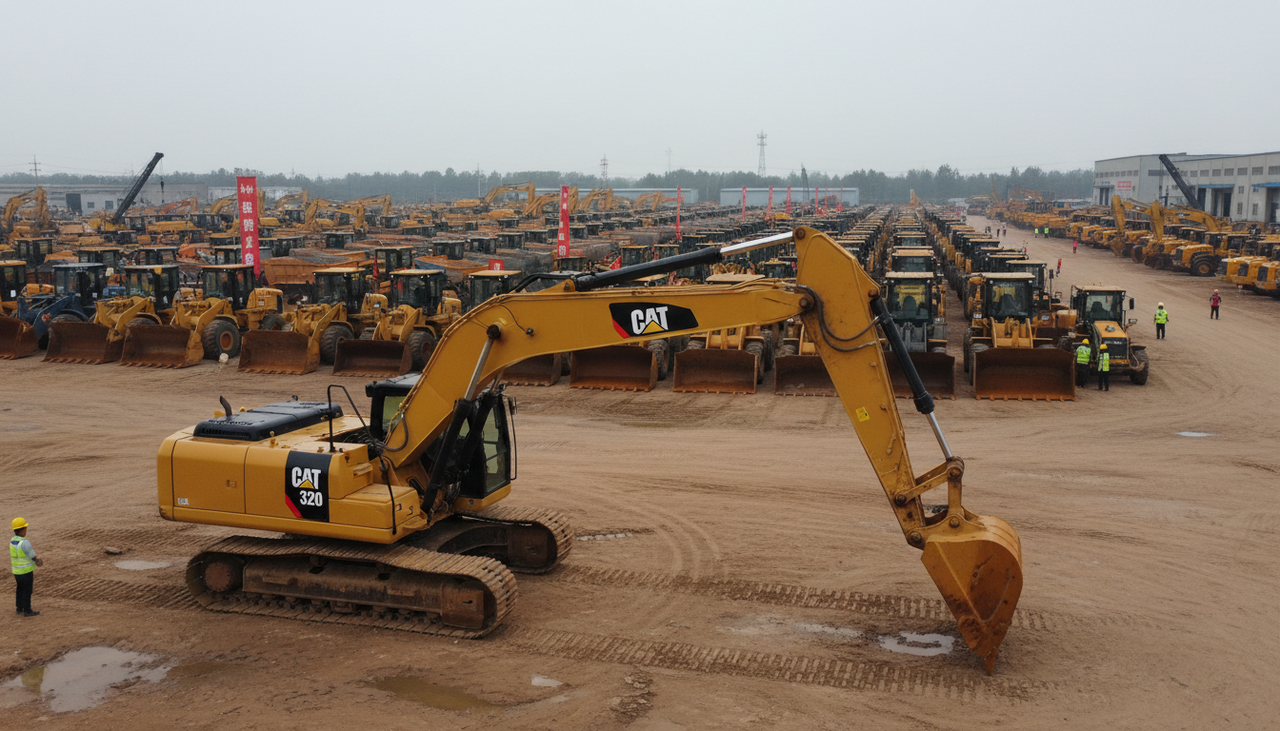
Buying used excavators from China has become a go-to strategy for construction companies looking to expand their fleets without breaking the bank. With thousands of machines imported into countries, like South Africa and more every week, the market offers real savings—often 30–50% less than domestic prices.
We have over 100,000 excavator owners on our site in China, and thereby offering loads of used heavy machines for sale.
But purchasing heavy equipment from overseas comes with its own set of challenges unless you know how to handle it and the whole process. This guide walks you through the entire process, from finding reliable suppliers to getting your excavator delivered to your job site.
Why Buy Used Excavators from China?
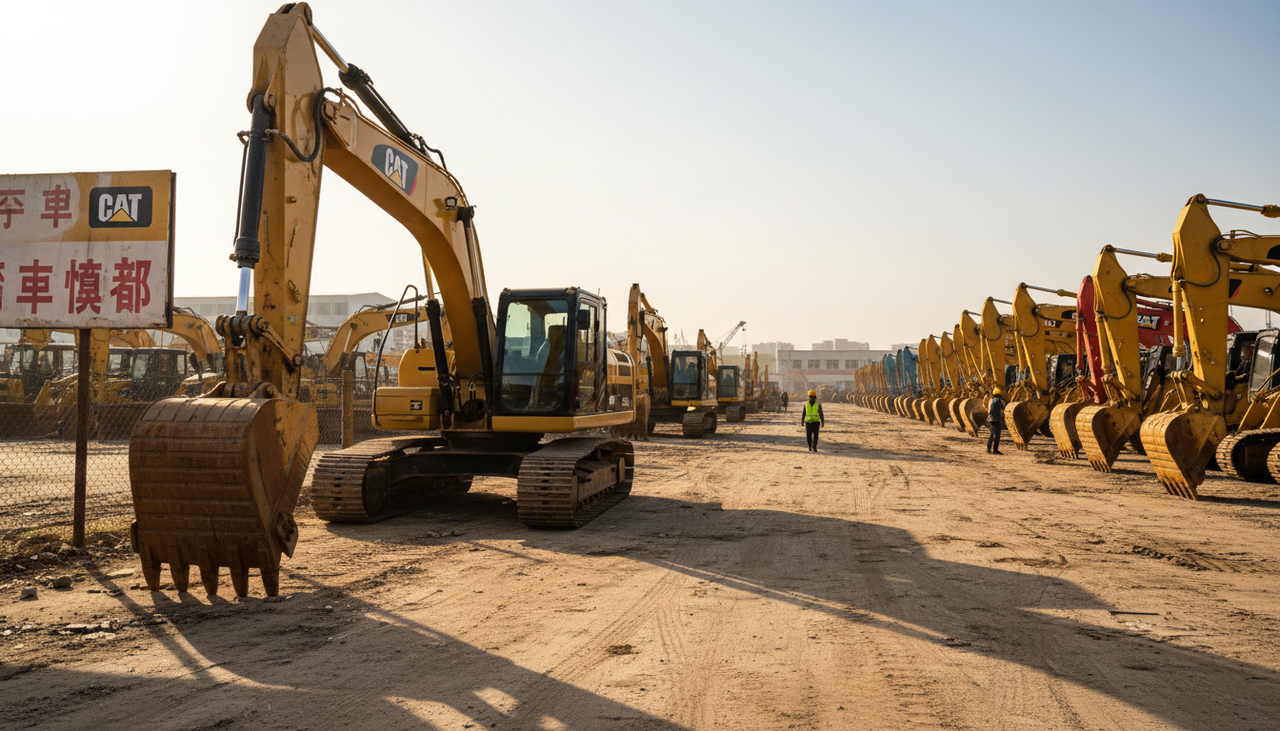
The most straightforward reason to buy used excavators from China is cost savings. Used machines sold in China are priced well below what you'll find domestically. For businesses building a fleet or just getting started, these savings add up fast. And we're not talking about off-brand machines—popular models like Komatsu, Caterpillar, Hitachi, SANY, and Volvo are widely available in the Chinese market.
Beyond price, China's used machinery market is diverse. Whether you need a mini excavator for landscaping or a heavy-duty machine for mining, you'll find options. Many of these excavators were used on large infrastructure projects and received regular maintenance, so their condition can be surprisingly good. At Fair Trade Machinery, we specialize in helping buyers source quality equipment, including used Caterpillar excavators, with transparent pricing and verified machine histories.
Contact us for your ideal excavators.
How to Find Reliable Suppliers

Finding a trustworthy supplier is half the battle. Of course you can start with B2B platforms like Alibaba and Made-in-China, where you can filter by model, year, and price, but the problem with these platforms is that you might not be able to find a professional owners, with clear reports, inspections and everything. If unlucky, you might get a rip-off because you are unaware of this. And for these big platforms, they have all other business to run, meaning, used excavators market is just one small branch.
That's why we have Fair Trade Machinery, a home for both owners and buyers. We host over 20,000 excavators on-site. It's known for variety, scale, and hands-on inspection opportunities. There are also other Trade shows like Bauma China in Shanghai, which let you meet vendors face-to-face and see equipment in person.
For buyers who can't travel, ask suppliers for detailed photos, video walkthroughs, or live video calls to inspect the machine remotely. Also, you could hire someone to inspect the machine for you, to help you walk through it and get the real status of this machine. But how to inspect? If you are curious...
How to Inspect a Used Excavator
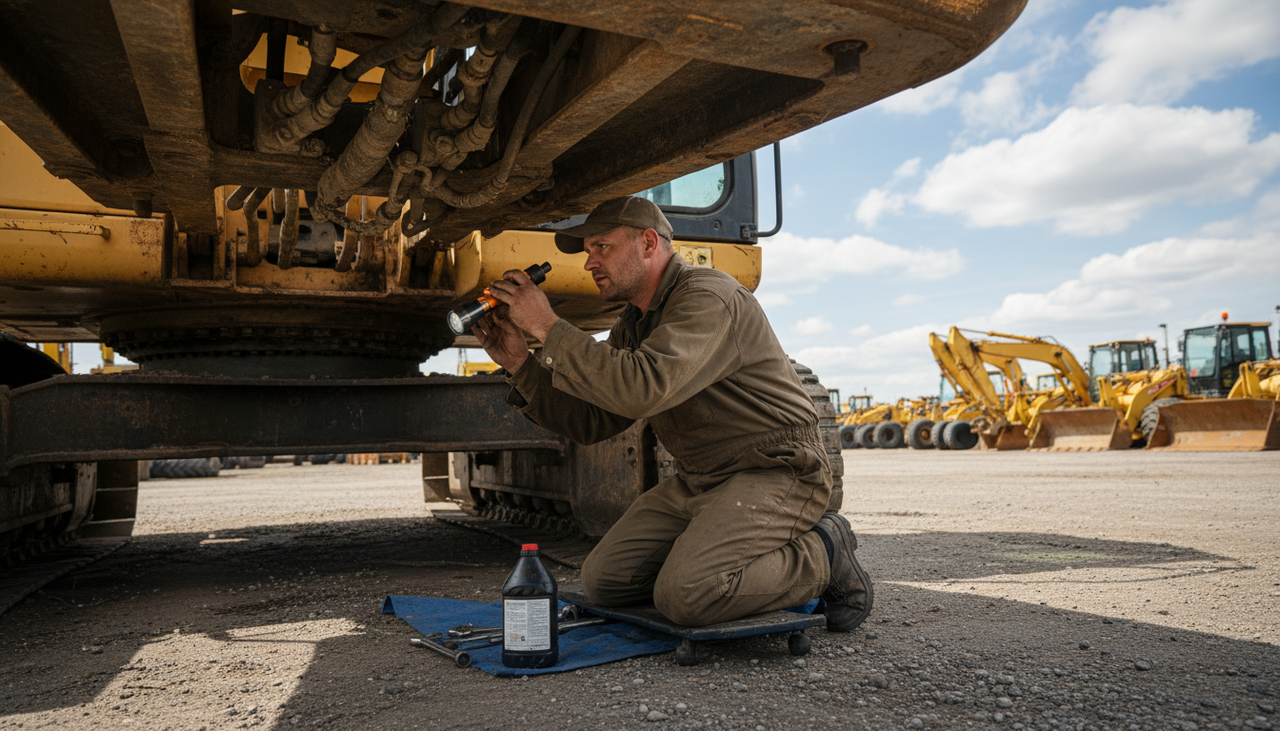
Inspection is non-negotiable when buying used equipment. Even if you're working with a reputable seller, you need to verify the machine's condition yourself. Ask about the excavator's age, hours of operation, and maintenance records. Request photo proof of the engine and undercarriage—these are the areas that show wear most clearly.
Check more details at Used Excavator Inspection
One practical test: start the engine, preheat it, and tilt the machine so it stands on one track. Alternate sides and count how many times you can repeat this in 30–60 seconds. If the counts differ between sides, there may be a hydraulic flow issue. Also listen for unusual engine noises and check for visible leaks. Budget for some maintenance costs regardless—used equipment from abroad will likely need minor repairs to meet your standards.
Quick Inspection Checklist
Engine hours and maintenance logs
Hydraulic system performance
Undercarriage wear (tracks, rollers, sprockets)
Cab condition and controls
Visible rust, cracks, or leaks
What about Shipping Costs and Methods
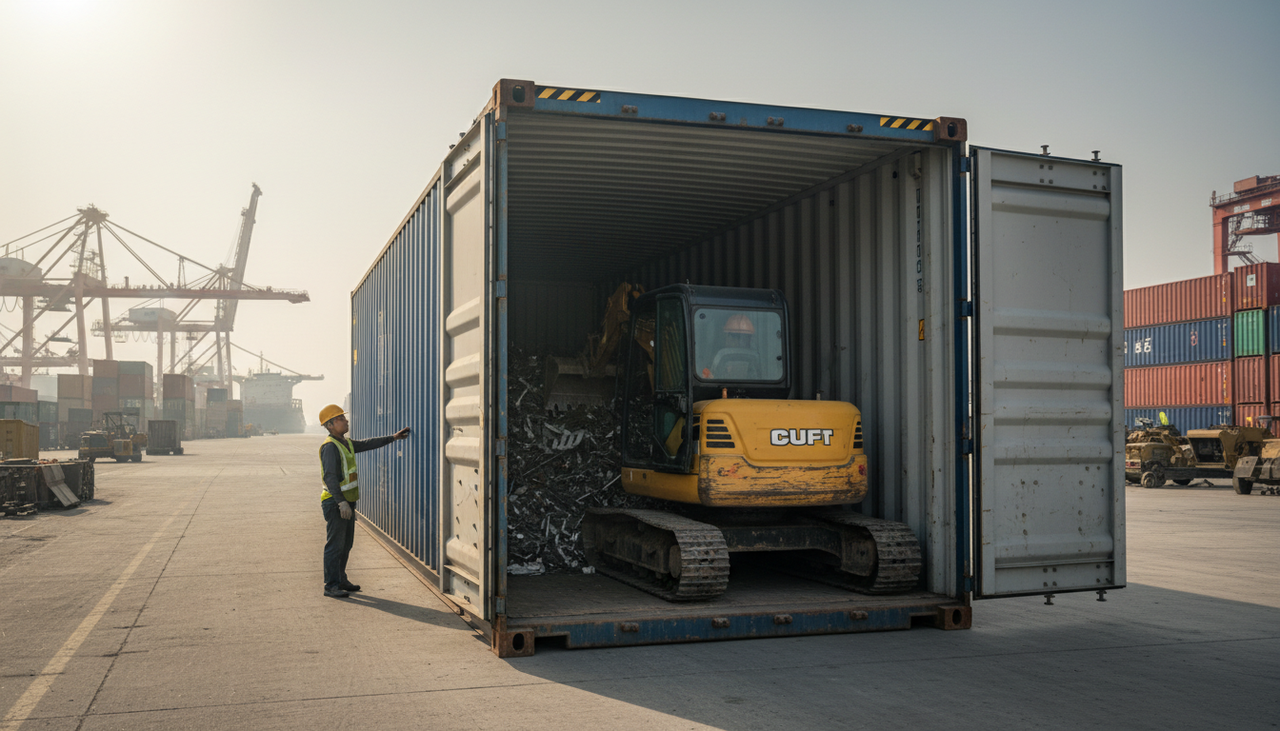
Shipping an excavator from China to the USA or other countries like South Africa involves several cost components. Sea freight is the most common method for heavy equipment. For a 20-foot container from ports like Shanghai or Qingdao to the U.S. West Coast, expect to pay roughly $1,500–$4,500 for ocean freight alone. East Coast delivery runs higher due to longer distances.
Shipping Method | Best For | Estimated Transit Time |
|---|---|---|
Full Container Load (FCL) | Mini/small excavators | 20–40 days |
Roll-on/Roll-off (RoRo) | Large excavators | 25–45 days |
Flat Rack Container | Oversized equipment | 25–40 days |
Beyond freight, factor in customs duties (3–25% depending on the machinery), insurance, and last-mile delivery to your site. Working with an experienced freight forwarder can simplify the process—they handle documentation, customs clearance, and coordination between the origin and destination ports.
EPA Compliance for U.S. Imports
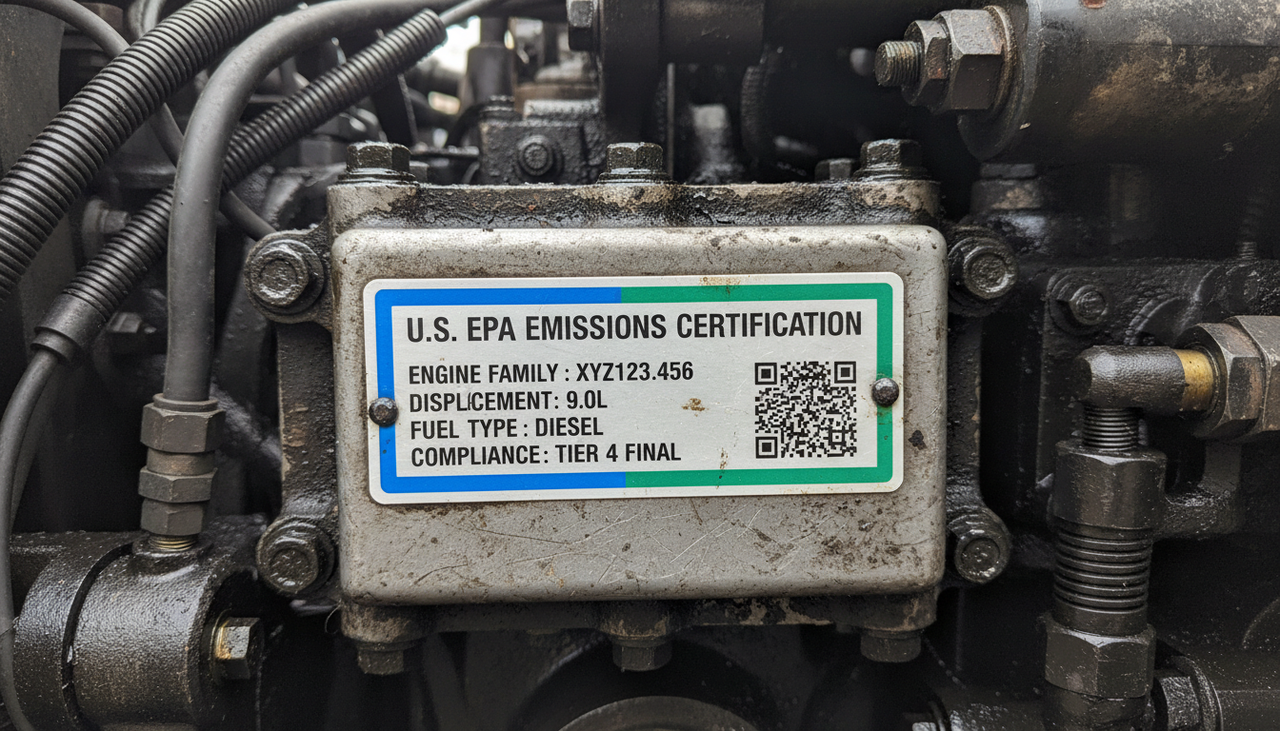
Any engine imported into the United States requires EPA Engine Certification. Before purchasing, request photo proof that the excavator's engine has an EPA tag. Most machines from Chinese sellers will have this certification, but you need to verify it yourself.
To clear customs, you'll need to file EPA Form 3520-21. This form requires specific documentation from the seller. An experienced customs broker or freight forwarder can help you complete this accurately—mistakes here lead to delays and penalties. Don't assume your seller knows U.S. requirements. Ask questions early and get everything documented before the machine ships.
Negotiating Price and Payment Terms
Pricing on used excavators varies based on brand, model, age, and condition. Knowing average market prices helps you negotiate confidently. Specialized machines—like those with extended reach or unique attachments—often carry premium pricing. Market demand also plays a role; prices may drop during slow construction seasons.
For payment, many sellers request deposits upfront. Use secure payment methods and consider escrow services for added protection. Clarify what's included in the quoted price: Does it cover loading? Does it include spare parts or accessories? Get everything in writing. A clear contract protects both parties and sets expectations for delivery timelines.
Read more about how to pay for a second-hand excavator overseas.
Conclusion
Buying used excavators from China can save your business significant money—if you do it right. Start with thorough supplier research and insist on detailed inspections. Understand your shipping options and total landed costs, including customs duties and EPA compliance. Work with partners who have experience importing heavy machinery to avoid costly surprises. With the right preparation, sourcing equipment from China becomes a straightforward way to grow your fleet affordably.
FAQs
How much cheaper are used excavators from China compared to domestic prices?
Used excavators from China are often 30–50% cheaper than similar equipment in the U.S. market. The savings depend on brand, model, and condition, but the price difference is significant enough that thousands of machines are imported weekly.
What brands of used excavators are available in China?
You'll find major global brands including Caterpillar, Komatsu, Hitachi, SANY, Volvo, and Hyundai. China's market includes both domestic and imported machines, giving buyers a wide selection across all size categories.
How long does shipping from China to the USA take?
Sea freight typically takes 20–40 days to the West Coast and 30–45 days to the East Coast. Transit times vary based on the origin port, destination, and shipping method. Always build buffer time into your project schedule.
Do I need special certifications to import excavators into the USA?
Yes. Any excavator engine entering the U.S. must have EPA certification. You'll need to file EPA Form 3520-21 and may also require an ISF (Importer Security Filing) submitted 24 hours before the vessel departs China.
Can I inspect an excavator remotely before buying?
Many suppliers offer video calls, detailed photo sets, and recorded walkthroughs of machines. While nothing replaces an in-person inspection, remote options let you evaluate condition before committing. Some buyers also hire third-party inspectors based in China.
FairTradeMachinery
You Design the Vision. We Handle the Hard Parts.
Helping Global Buyers Access Better-Value Machinery and After-Sales Solutions.
As China's Leading Global Used Machinery Exchange Platform, we sits at the intersection of IoT technology and B2B commerce. That means real-time inventory data, verified seller profiles, and a transaction process designed for cross-border buyers who can't always inspect machines in person. Our users in China have exceeded 1.5 millions meaning we have the first source of excavator owners and the equivalent number of machines. This means we can cover all the popular models and even specific needs, no matter of the status.






 Live Chat On Whatsapp Now

 FAQs
FAQs WhatsApp