How to Choose a Used 20-Ton Excavator for Roadwork in Nigeria?
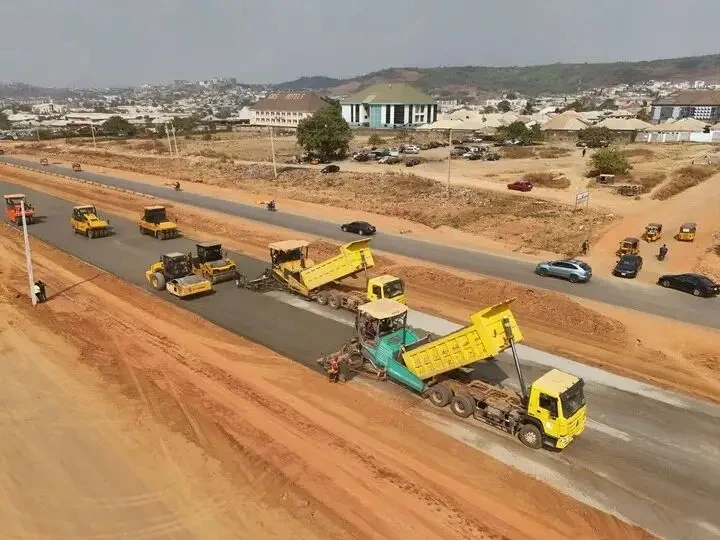
Quick Answer: For Nigerian roadwork, choose a used 20-ton excavator with 19,500–22,000 kg operating weight, 4,000–10,000 verified hours, documented engine and hydraulic pump inspection, and a pre-shipment SONCAP certificate. Komatsu PC200-8, CAT 320, Hitachi ZX200 and Sany SY205C offer the best balance of price, fuel tolerance and parts availability in Lagos, Ibadan and Kano.
Key Takeaways:
• Landed cost: USD 36,000–68,000 vs USD 110,000–140,000 new.
• Mandatory: SONCAP Certificate of Conformity before shipment.
• Best parts support: Komatsu and Caterpillar in Lagos, Ibadan, Kano.
• Inspection: engine, hydraulic pump, swing, undercarriage, boom welds, hour meter, cooling, serial number.
• Recommended models: Komatsu PC200-8, CAT 320/320D, Hitachi ZX200-6, Sany SY205C.
What specs actually matter for roadwork in Nigeria?
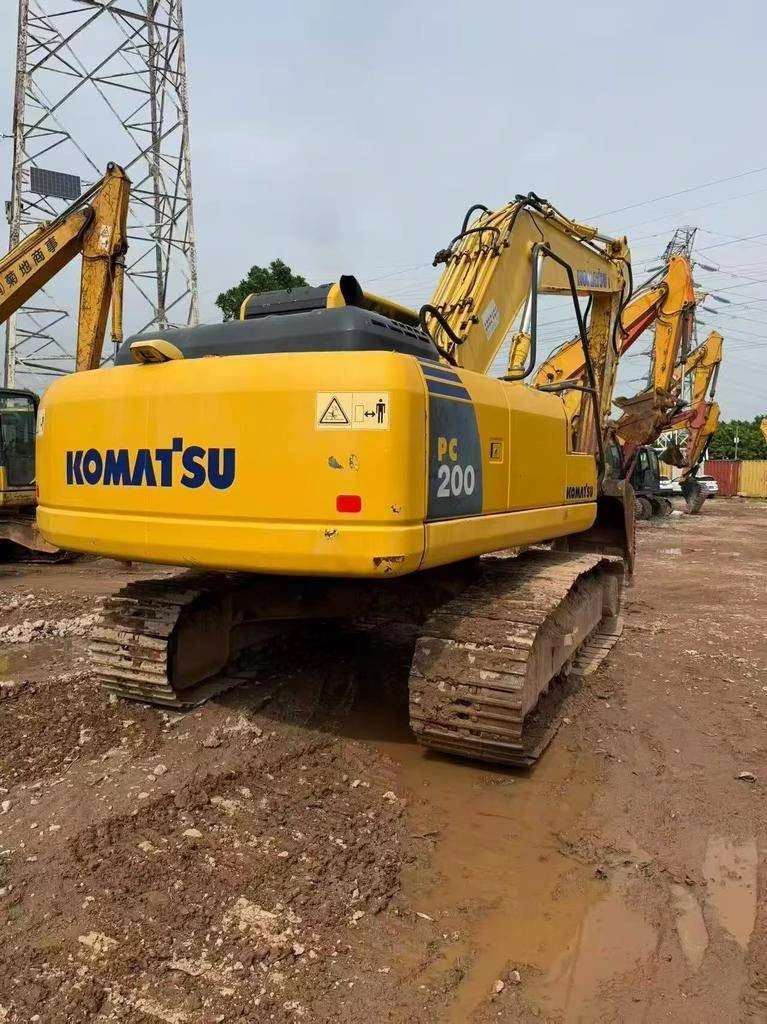
For Nigerian roadwork, prioritize 19,500–22,000 kg operating weight, 110–130 kW engine power, 0.9–1.2 m³ bucket, 4,000–10,000 verified hours, 2015 or newer, a fitted dozer blade, air-conditioned cab, and a reinforced or recently serviced cooling system.
Not every "20-ton" machine on the market is built for road construction. Roadwork in Nigeria means drainage trenching, culvert lifting, laterite loading and sub-grade preparation — long hours in 35°C heat, on dusty laterite roads, with fuel of inconsistent quality. Table 1 shows the specification range that matters for these conditions, based on what actually runs reliably on Nigerian road projects.
Table 1. Recommended specification ranges for a used 20-ton excavator on Nigerian roadwork
Specification | Recommended range | Why it matters for Nigerian roadwork |
|---|---|---|
Operating weight | 19,500–22,000 kg | Machines below 19 t lack lift capacity for culvert pipes; above 22 t, transport permits and trailer costs rise. |
Engine power | 110–130 kW | Sufficient trenching and loading cycle speed without excessive fuel burn on AGO diesel. |
Bucket capacity | 0.9–1.2 m³ | Matches laterite loading into 10–15 t tipper trucks at road sites. |
Operating hours | 4,000–10,000 h | Below 4,000 h commands a premium; above 10,000 h expect hydraulic pump or engine work within 1–2 years. |
Year of manufacture | 2015 or newer | Nigeria has no federal age limit on used machinery imports, but pre-2010 units face closer customs scrutiny at Lagos ports. |
Dozer blade | Fitted | Essential for backfilling drainage trenches and leveling sub-grade without a second machine. |
Air-conditioned cab | Fitted | Site operators lose productivity above 32°C; AC also pressurizes the cab against harmattan dust. |
Cooling system | Reinforced / recently serviced | Dust-clogged radiators are the No.1 cause of overheating shutdowns on Nigerian road jobs. |
Within these ranges, the models with the strongest track record in Nigeria are the Komatsu PC200-8, CAT 320/320D, Hitachi ZX200-6 and Sany SY205C. Komatsu and CAT parts are stocked in Lagos and Ibadan; Sany has grown quickly on price and factory support. You can browse current stock by brand on the used Caterpillar excavator listing page and the equivalent Komatsu, Hitachi and Sany category pages.
Which inspection points matter most before you buy?
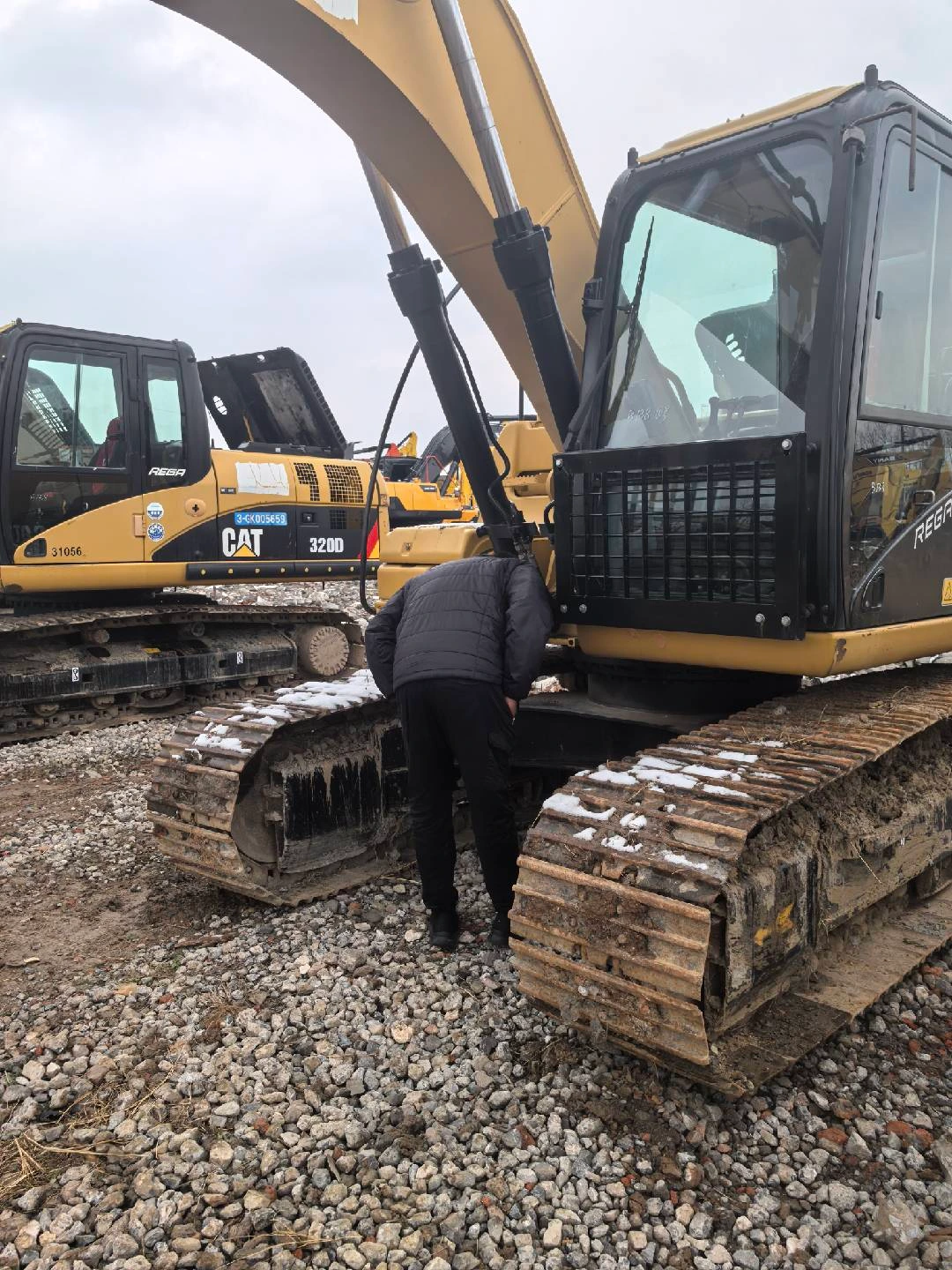
Before shipping to Nigeria, inspect eight critical points: engine cold-start and fault codes, hydraulic main pump leakage and cycle time, swing motor and bearing play, undercarriage wear percentage, boom and arm welds, hour meter consistency, cooling and air filtration, and serial number match with the contract and SONCAP application.
A 20-ton excavator that looks clean in photos can still carry USD 15,000 of hidden hydraulic or engine work. Before any used machine ships to Nigeria, these eight checkpoints separate sound units from repainted risks:
1.Engine: cold-start video, oil analysis or compression test, and no active fault codes on the ECU readout.
2. Hydraulic main pump: check for case-drain leakage and cycle-time test — a worn pump costs USD 8,000–12,000 to replace.
3. Swing motor and swing bearing: 360° swing with load, checking for play or hesitation.
4. Track and undercarriage: measure track wear in percentage — undercarriage replacement runs USD 5,000–8,000.
5. Boom and arm welds: look for re-welded cracks, common on machines that did heavy breaking work.
6. Hour meter: verify against wear on pedals, seat and joystick — rolled-back meters are the most common misrepresentation.
7. Cooling and air filtration: radiator fins, air filter housing seals — critical for dusty road sites.
8. Serial number match: the chassis plate must match the contract and the SONCAP application.
A full pre-shipment inspection checklist is covered step by step in our guide, 10 Steps to Inspect a Used Excavator Before You Buy. Every machine listed by FairTradeMachinery ships with a video timeline of the actual unit — hour meter, engine start, swing, travel and each cylinder — so you can verify condition before paying.
What does the full cost and import process look like?
A used 20-ton excavator (2015–2020, 4,000–10,000 hours) lands in Nigeria at roughly USD 36,000–68,000 all-in, compared with USD 110,000–140,000 for a comparable new machine — a saving of 40–60%. The process runs in six steps from inspection in China to inland delivery in Nigeria.
The machine price is only part of the landed cost. Table 2 gives realistic 2026 ranges for bringing a used 20-ton excavator from China to a Nigerian road site.
Table 2. Landed cost breakdown, used 20-ton excavator, China to Nigeria (2026 indicative)
Cost item | Typical range (USD) | Notes |
|---|---|---|
Machine, FOB China (2015–2020, 4,000–10,000 h) | 25,000–50,000 | PC200-8 / CAT 320 / ZX200 in this band; Sany SY205C sits at the lower end. |
Sea freight, Shanghai to Apapa or Onne | 5,500–7,500 | Flat rack or 40 ft container; Ro-ro where available. 30–40 days sailing time. |
SONCAP Certificate of Conformity | 620–940 per unit | Issued by SON-approved inspection bodies before shipment from China. Mandatory. |
Customs clearing (Form M, PAAR, duty, terminal) | 4,000–8,000 | Depends on declared value and HS classification at Apapa/Tin Can. |
Inland delivery (Lagos to site) | 500–2,000 | Low-bed trailer; distance-dependent (Lagos–Ibadan vs. Lagos–Abuja). |
Indicative landed total | 36,000–68,000 | Compare with a new 20-ton machine at USD 110,000–140,000 landed. |
The process runs in six steps: (1) select and inspect the unit in China; (2) sign the contract and pay through a staged, verifiable method — see our guide on how to pay for a second-hand excavator overseas; (3) obtain the SONCAP CoC before the vessel departs; (4) ship to Apapa, Tin Can or Onne; (5) clear customs using Form M and PAAR; (6) inland delivery to the road site. The end-to-end procedure, including documentation, is detailed in How to Buy Used Excavators from China: Complete Guide.
What are the most common pitfalls — and who carries the risk?
The five most common pitfalls are cosmetic refurbishment masking wear, missing SONCAP certificate, full payment before inspection, listing and unit mismatch, and unclear responsibility after arrival. Risk boundaries: the seller covers pre-shipment condition and export documentation; the buyer covers Nigerian duty, clearing and inland transport — unless a DDP agreement states otherwise.
• Cosmetic refurbishment masking wear. Fresh paint hides boom cracks and oil leaks. Risk control: video timeline of the actual unit plus third-party inspection before shipment.
• No SONCAP certificate. Machines arriving at Apapa without a pre-shipment CoC face penalties, re-export or demurrage that grows daily. Risk boundary: the seller is responsible for the CoC — refuse any offer that pushes it to the buyer.
• Full payment before inspection. Once money leaves your account, recovery is nearly impossible. Risk control: staged payment (e.g. 30% deposit, balance against inspection video or B/L copy).
• Listing and unit mismatch. The machine delivered is a different serial number from the one quoted. Risk control: serial number written into the contract and matched to the SONCAP application.
• Unclear responsibility after arrival. Standard boundary: the seller covers pre-shipment condition and export documentation; the buyer covers Nigerian duty, clearing and inland transport — unless a DDP agreement states otherwise. FairTradeMachinery adds a 1-year warranty on core components to every purchase, which covers engine, hydraulic pump and swing motor for the first year of work.
How we evaluated these machines
This guide is based on FairTradeMachinery's transaction and inspection records covering an inventory of more than 10,000 used units across 15 brands, and on machines actually delivered to West African road and infrastructure projects between 2024 and 2026. Model recommendations weigh four criteria: parts availability in Nigerian cities (Lagos, Ibadan, Kano, Port Harcourt), tolerance of high-sulphur AGO diesel and dust, documented uptime history on road projects, and resale value in the Nigerian secondary market. Price ranges reflect Q3 2026 FOB quotations and freight quotes from Shanghai to Apapa; import figures should be re-confirmed with your clearing agent against the latest Nigeria Customs Service tariff. Regulatory references (SONCAP, Form M, PAAR) were reviewed against Nigeria Customs and Standards Organisation of Nigeria guidance in October 2026.
FAQ
How much does a used 20-ton excavator cost in Nigeria?
A 2015–2020 unit in the 4,000–10,000 hour range lands in Nigeria at roughly USD 36,000–68,000 all-in, versus USD 110,000–140,000 for a comparable new machine — a saving of 40–60%.Is there an age limit for importing used excavators into Nigeria?
No federal age limit applies to used construction machinery, but units manufactured before 2010 attract closer scrutiny at Lagos ports. A pre-shipment SONCAP Certificate of Conformity is mandatory regardless of age.Which brands have the best parts support in Nigeria?
Komatsu and Caterpillar have the deepest parts networks in Lagos, Ibadan and Kano; Hitachi and Volvo support is solid through independent importers; Sany support has expanded rapidly since 2023 alongside its new-machine market share.Can I import without a SONCAP certificate and clear it locally?
You risk fines, port delays and possible re-export. The CoC must be issued by a SON-approved body before shipment from the origin country — it cannot be obtained after arrival.How long does shipping a 20-ton excavator from China to Lagos take?
Sea freight from Shanghai to Apapa typically runs 30–40 days, plus 7–14 days for port clearance and 1–3 days of inland delivery depending on the project location.For brand-level comparisons across the wider market, see Best Used Excavator Brands for African Construction in 2026, and for current availability of 20-ton units, browse the used Komatsu excavator listings or contact our sales team for a quoted unit with inspection video.
Sources:
• Nigeria Customs Service — Form M and PAAR procedures: https://customs.gov.ng/
• Standards Organisation of Nigeria (SON) — SONCAP programme: https://son.gov.ng/
• Nigeria Customs Service Tariff — HS classification for construction machinery: https://customs.gov.ng/
• Freight rate references: Q3 2026 quotations from Shanghai to Apapa (available on request).
Cite this article: FairTradeMachinery. (2026). How to Choose a Used 20-Ton Excavator for Roadwork in Nigeria? Retrieved from /news/used-20-ton-excavator-roadwork-nigeria.html
Published: October 9, 2026 · Last reviewed: October 9, 2026 · Author: [Sam Hou], Senior Equipment Inspector, FairTradeMachinery
FairTradeMachinery
You Design the Vision. We Handle the Hard Parts.
Helping Global Buyers Access Better-Value Machinery and After-Sales Solutions.
As China's Leading Global Used Machinery Exchange Platform, we sits at the intersection of IoT technology and B2B commerce. That means real-time inventory data, verified seller profiles, and a transaction process designed for cross-border buyers who can't always inspect machines in person. Our users in China have exceeded 1.5 millions meaning we have the first source of excavator owners and the equivalent number of machines. This means we can cover all the popular models and even specific needs, no matter of the status.






 Live Chat On Whatsapp Now


 FAQs
 WhatsApp